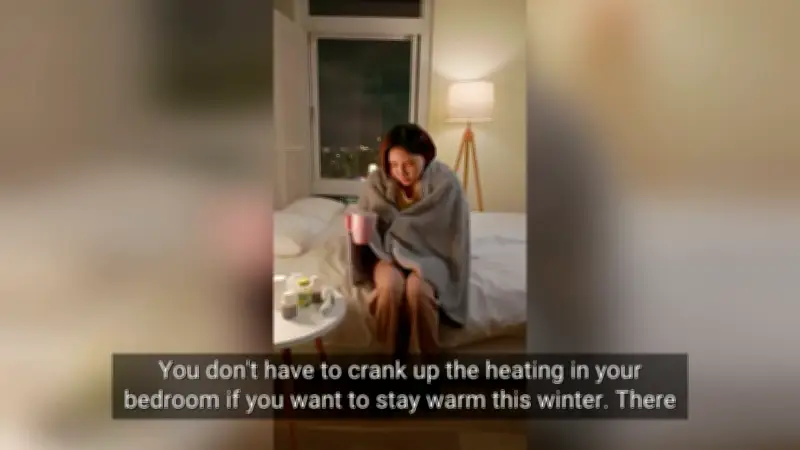
Positioning your bed against interior walls and away from windows is a free way to keep bedrooms warm without turning on central heating this winter. With energy bills rising and millions of households reportedly avoiding central heating, keeping warm at home doesn't have to cost a penny.
Simple furniture rearranging
Lisa Davis, product advisor at Opera Beds, has shared several budget-friendly suggestions to keep your bedroom warm this winter without adjusting the thermostat. One of these tips doesn't require spending a single penny — it's as simple as rearranging your room furniture.
Positioning your bed against interior walls is typically best, as these walls are less affected by temperature fluctuations, helping you remain consistently warm through the night. It's also advisable to keep the bed away from windows, as even the best-insulated ones can leak heat and allow cold draughts in.
Other cost-effective hacks
Don't block radiators with furniture, which can reduce their effectiveness, and consider placing a rug on hard flooring to add insulation and reduce heat loss. Another free method to keep your home warm is to draw your curtains at a particular time. With the clocks now turned back, it's essential to close your curtains as soon as dusk falls to keep the warmth inside.
Curtains featuring thermal lining are particularly effective at preventing cold air from seeping through windows. The best curtain fabrics for retaining heat are thick, weighty materials such as wool, velvet or fleece. If money is tight, try placing a shower curtain behind your existing curtains to create an extra barrier against the cold.
Blocking draughts
Finally, ensure all draughts around windows and doors are blocked using weather stripping and window film, as this can have a far greater impact than you might expect. To identify any draughts in your home, check for air movement around doors, windows, floorboards, beams, skirting boards, and air conditioning units. You can also use the straightforward trick of holding a lit match near suspected leaks to see whether it flickers.
Keep doors to rooms you're not using closed to concentrate heat where it's most needed, and use a draught excluder to prevent cold air from sneaking in beneath doors.