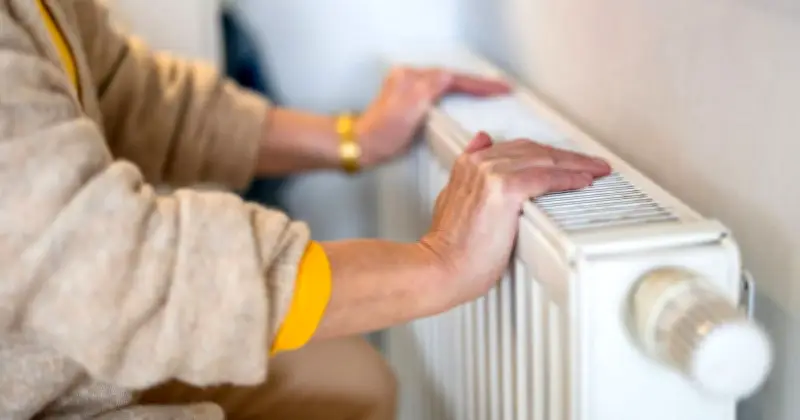
As temperatures drop across the UK, many households are turning on their heating, but radiators may not be working at their full potential. The experts at Which? have shared four simple maintenance tasks that can help radiators heat rooms faster and prevent wasted energy, which could otherwise drive up bills.
Clean the radiator to remove dust
The first recommended task is to clean the radiator thoroughly. Dust can gather on radiators without being noticed and can reduce their efficiency by stopping heat from travelling into the room. A specially designed radiator duster, which is long, slim and flexible, can be inserted between the radiator's panels to remove trapped dust, fluff and allergens.
Using the duster in the centre of the radiator allows the dust to fall to the floor, helping the appliance emit heat more effectively.
Install radiator reflector foil
Radiator reflector foil is a thin panel or sheet designed to stop heat escaping from the backs of radiators. It is typically made with foil or another reflective material and may include a thin layer of insulation. This helps maximise the heat the radiator gives off and prevents it from escaping through walls, and it is particularly effective for radiators on external walls.
According to the Energy Saving Trust, radiator reflectors can reduce carbon footprint and save up to £18 on energy bills in Great Britain and £20 in Northern Ireland. If reflector foil is not available, Which? says households can use kitchen foil as a low-cost alternative, by measuring the distance between radiator brackets, cutting the foil to size and attaching it with double-sided tape.
Move large items away from radiators
Furniture such as sofas or tables placed in front of radiators can block heat from spreading. Which? advises moving large items away and leaving a one-foot gap between the appliance and the furniture. The organisation said: "This will help the radiator to heat your space quicker."
Bleed the radiator to release trapped air
The final task is bleeding the radiator to remove trapped air inside the appliance. Air settles at the highest point of the radiator because it is lighter than water, preventing hot water from reaching the upper part of the appliance.
To bleed a radiator, turn off the heating and wait 20 to 30 minutes for it to cool. Place a cloth, towel or container under the bleed valve, then insert a radiator key or flat-head screwdriver and turn it slowly anticlockwise. A hissing noise indicates air escaping; when water starts to stream or spurt out, turn the key clockwise to close the valve tightly without overtightening. If unsure, it is best to contact a professional for help.