A cheap item already in most kitchen cupboards could help keep homes warmer for less this winter. Placing foil behind radiators may tackle one of the most significant sources of heat loss in UK homes.
Radiators emit heat in all directions, and a considerable amount is absorbed directly by the wall. On external walls in particular, heat is lost before it reaches the inside of the home, as the cold surface soaks it up instantly.
Expert advice on reflector foil
Consumer champion Which? said in an Instagram post: "Maximise your heat. Putting foil behind radiators allows the heat to be reflected back into the room. This is particularly effective on external walls."
Radiator reflector foil costs around eight pounds. It is padded and usually has an adhesive backing, making it easy to install.
Dedicated kits with reflective surfaces are available from retailers such as Wickes and other DIY stores. B&Q currently stocks rolls of Diall Radiator Reflector, offering 10 metres of reflective surface for just under £16.
How to install and save
The retailer claims the foil "reflects heat back into the room" and "cuts down heat loss to up to 50%" to create a more comfortable environment. The roll can be trimmed to fit radiators of all shapes and sizes.
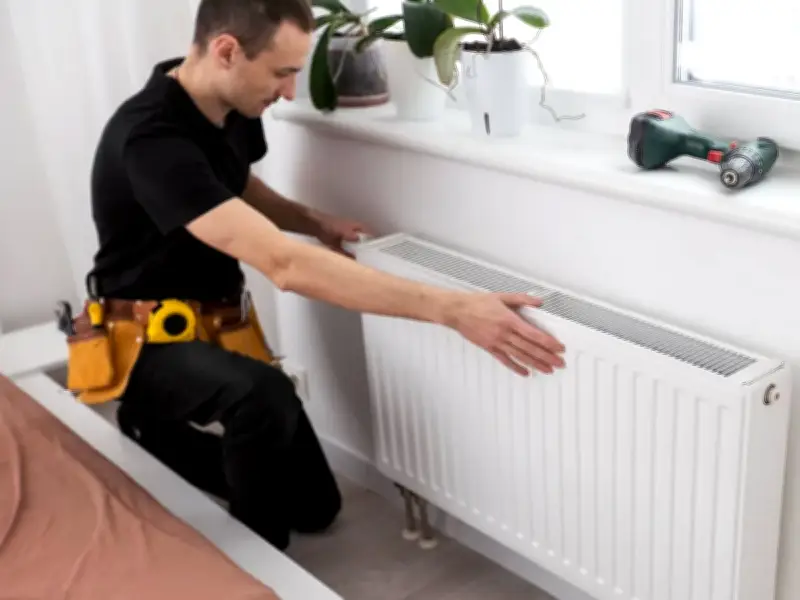
Installation is straightforward: cut the roll to size, apply adhesive, and slide the product behind the radiator with a firm press. If a bulky roll is not within budget, an affordable alternative can be found in most shops for around £1.
Kitchen tin foil works equally well because it has the same reflective properties. One cost-effective option is Aldi's Everyday Essentials Wrapping Foil at £1.09 for a 20m roll, approximately 5p per metre.
Limitations of the trick
Which? highlights this in its video, adding that the "low-cost alternative" is straightforward to fit. Simply measure the gap between the brackets on the radiator and trim the foil accordingly.
The only difference from a purpose-built kit is that adhesive must be purchased separately if suitable material, such as double-sided sticky tape, is not already to hand.
The trick will not work in homes with column-style radiators instead of solid panels. Because of the wide gaps in the open design, it is rarely worth the hassle or visual compromise. Improving the heat output of column radiators requires optimising water flow, clearing internal blockages, and removing physical barriers.