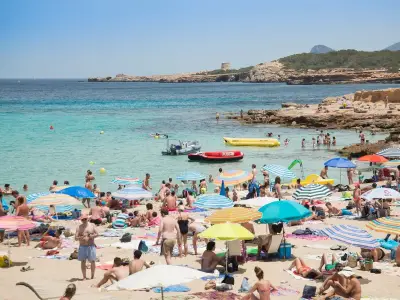
Britons are increasingly taking "extreme day trips" – jetting abroad for lunch and returning within 24 hours – a trend fuelled by social media and the promise of seeing somewhere new on a shoestring. Google figures show a 9,900% increase in searches for these types of trips in the last month.
The Appeal of 24-Hour Getaways
One woman from Solihull says she has been on 50 of them, defending the trips by saying, "I have seen more places for less money and go to places I would never have been to." Another mum from Norwich, who treats herself to a few of these days throughout the year, said her 24-hour trip to Chamonix, an alpine town in France, cost her £100 all in, which was "no more than a day out in the UK when a train ticket to London costs her £60 alone."
It is possible to travel 900 miles from London to Budapest and back for £39, while a return train fare to Manchester Piccadilly – about 163 miles – can cost double, if not triple, the price.
Drawbacks and Tips for Extreme Trips
These trips are not without drawbacks, as taking a flight for a few hours of sightseeing is hard to justify on green grounds, with aviation emissions far more taxing on the environment than those from trains. Naysayers also argue the short time spent in countries contributes very little to their local economies, particularly when tourists bypass hotels.
Liverpool Airport's Robin Tudor shared tips for those considering it. He advised booking the return flight first before booking the outbound leg to ensure you can actually get home, and leaving at least 90 minutes between your final stop and the departure gate. He said: "Same-day trips often go awry when the return is an afterthought."
Tudor also suggested sticking to a three-hour door-to-door travel limit and protecting a six to eight-hour window to explore. If travel takes longer, choose somewhere closer. Crucially, bring a cabin bag only – no checked bags. Finally, pick one "hero" experience you don't want to miss – a Christmas market, a sports match or a museum.
Boosting Savings by Thousands
A quarter of adults in Britain would keep £10,000 in cash rather than invest it in a Stocks and Shares ISA, even if they don't plan to spend it, according to Scottish Friendly. This comes despite relentless inflation eroding the value of cash and the stark difference in returns.
Moneyfacts data gathered earlier this year showed the average Stocks and Shares ISA fund grew by 11.2% in the year to February 2026, more than three times the 3.48% return from a typical Cash ISA. For example, £10,000 in a Cash ISA earning an average 3.48% annually would grow to around £14,100 after 10 years, assuming the rate remained unchanged. If it grew at 7% a year instead (the average 10-year return for a Stocks and Shares ISA), the same sum invested could reach around £20,000 – a difference of nearly £6,000.
While cash will always play an important role in emergency savings, or money you expect to need soon, those who can afford to leave money untouched for five to 10 years could consider investing it. Some banks and building societies offer support, such as Skipton, which offers a free "My Money Review" for everyone, not just customers.