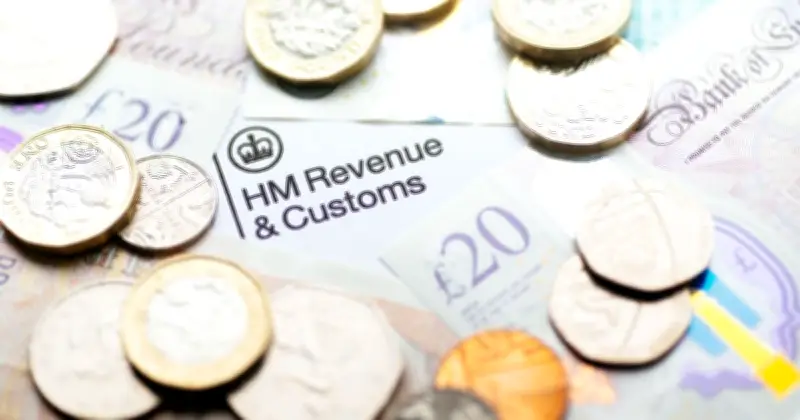
Brits could be missing out on nearly £2,000 by not claiming their tax allowances before the next tax year begins in April, according to Psyfi money experts. While some allowances are applied automatically, others require taxpayers to take action to optimise their bills.
Expert warns of unclaimed tax breaks
Michele Tieghi, Financial Expert and Founder of psyfi money, highlighted several common HMRC allowances that people might be overlooking. She said: “We’re about to head into the colder months of the year, when bills will become more expensive. Being more tax-wise could help Brits offset these hefty costs. It isn’t too late to become more tax-smart.”
With the cost of living crisis continuing, the expert warned that many families cannot afford to let this money go unclaimed.

Marriage Allowance and Personal Savings Allowance
The Marriage Allowance allows married couples or those in a civil partnership to transfer unused personal allowance to their partner, but only if one person earns less than £12,570. Everyone in the UK with an income below £100,000 has a £12,570 personal allowance they can earn tax-free each year. This transfer lets the higher-income partner bring home more of their salary tax-free, with a maximum saving of £252.
The Personal Savings Allowance lets people earn up to a certain amount of interest on their savings before tax applies. Basic rate taxpayers have a £1,000 allowance, while higher rate taxpayers have only £500. This is the amount of interest they can earn without paying tax, not the total amount they can hold in savings. People in the additional rate tax band get no personal savings allowance, meaning all interest earned is taxed unless held in a tax-free account like an ISA. The maximum saving here is £200.
ISA allowances and Capital Gains Tax
ISAs are tax-free savings accounts that allow people to avoid paying tax on interest, dividends or capital gains, even if it exceeds their savings allowance. Currently, people can deposit up to £20,000 per year in one account. Those maxing out this limit on cash savings could save up to £260 depending on their savings allowance and tax band, while stocks and shares ISAs could save hundreds more depending on investment performance. The £20,000 limit for cash ISAs is set to change next year to £12,000, which could leave savers facing more tax charges unless they plan accordingly. The maximum saving here ranges from £130 to £520.
The Capital Gains Tax Allowance allows people to make a profit of up to £3,000 tax-free from selling investments, including shares or property (not a main home). Any assets sold outside this allowance are subject to an 18 per cent tax for basic rate taxpayers and 24 per cent for those in the higher rate bracket. Based on £3,000, this would be £540 or £720, the expert explained.