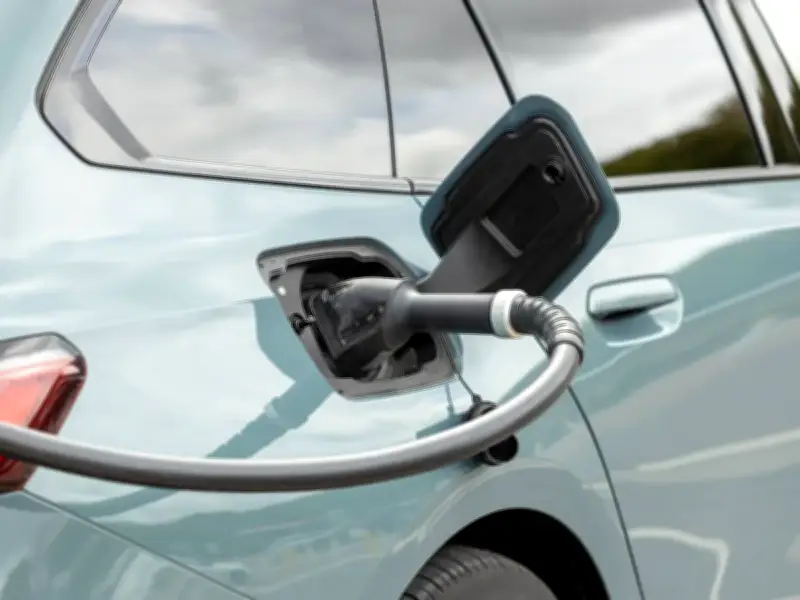
Electric vehicle (EV) drivers are being urged to perform a simple 20p coin check on their tyres, as data shows their cars are significantly more prone to tyre defects than petrol or diesel vehicles. According to the British Vehicle Rental and Leasing Association (BVRLA), EVs are 1.8 times more likely to have tyre defects than petrol cars.
Saga is now advising EV drivers to use the 20p coin test to check tyre wear. If the outer band of the 20p coin is visible when inserted into the tread, the tyres may be too worn and could be illegal. Drivers caught with illegal tyres could face a £2,500 fine and 3 penalty points per tyre.
Drivers Lack Confidence in Car Maintenance
The warning comes as new research from Saga Car Insurance reveals that more than half of UK drivers (54%) do not feel confident in their basic understanding of car maintenance. This is despite the Driver and Vehicle Standards Agency (DVSA) requiring learners to answer 'show me, tell me' questions on essential under-bonnet components since 2003, updated in 2017. More than half (55%) of drivers don't believe they'd pass this section of the test if quizzed today.
Saga Car Insurance surveyed 1,000 UK drivers and found that almost one in ten (9%) would not be confident in identifying any of the main under-bonnet components. In response, Saga has developed an interactive tool to help drivers locate and identify essential parts under the bonnet.
Warning Lights Often Ignored
The survey also found that the average driver waits one week before acting on dashboard warning lights. More than half (51%) wait a week or longer, with one in eight (13%) waiting six months or longer. Two in five drivers (42%) were not confident in their understanding of dashboard warning symbols, and almost two-thirds (63%) search for warning symbols on search engines, while almost a quarter (23%) turn to AI for troubleshooting tips.
Ali Ingram-Seal, head of Saga Car Insurance, warned that ignoring routine maintenance could mean more than just a hefty repair bill. She said: "Poorly maintained cars put you, your passengers, and other road users at risk. Neglecting regular checks can result in engine failures and breakdowns, which could be dangerous if they occur while driving."
Expert Explains Misunderstood Warning Lights
Saga Car Insurance spoke to Tim Rodie, resident motoring expert at Motorpoint, who explained the most misunderstood warning light symbols. Tim said: "Even though some of these warning lights might not be urgent fixes, it's important to get them checked as soon as you can to be on the safe side. Some of the most misunderstood warning lights are often the ones we see occurring regularly. Many motorists might panic when the check engine light comes on, but sometimes it's due to a slightly off reading or a loose fuel cap."
Tim also noted that the tyre pressure light can be triggered by a small change in pressure on a cold day, and red warning lights are the most critical to address. He advised: "If you notice any of these flashing, stop driving as soon as possible until the issue is fixed."
Older Drivers More Confident, But Gen Z Most Likely to Pass Test
The research found that older generations (Baby boomers age 62+ and Gen X age 46-61) reported being more confident in identifying essential under-bonnet components than Millennials or Gen Z. Baby Boomers were 15% more confident in identifying engine oil, coolant, brake fluid, and windscreen washer fluid reservoirs than their younger counterparts. Despite this, two-thirds (66%) of Gen Z said they would feel confident passing the 'show me, tell me' section today, compared to 43% of older generations.
Saga Car Insurance also found that 14% of UK drivers had never checked their engine oil. Only a quarter (28%) performed oil checks at least once per month, with one in five (20%) only checking when problems occur. Neglecting engine oil checks can cause increased friction, heat, and wear, leading to breakdowns and irreversible damage in serious cases.
Tim advised that simple tasks like checking tyre pressure, fluid top-ups, and replacing wiper blades can be done by car owners, but safety-critical jobs should be left to professionals. He said: "Anything to do with diagnostics, brake repairs or electrical faults should be left to the mechanics, or you might face bigger repair bills and serious safety risks from a DIY job."
Tim also highlighted potential repair costs: engine issues can cost as much as £8,000, coolant system and brake fixes up to £500, and steering repairs between £200 and £1,500. He added: "Average car repair costs can vary depending on the severity of the repair, so it's important not to ignore the warning signs of a fault."
Ali Ingram-Seal shared eight checks to help drivers avoid breakdowns: keep records up to date, follow the car's servicing schedule, check warning lights straight away, monitor tyres regularly (including the 20p test), act on brake warning signs quickly, watch for battery warning signs, check engine oil, and top up coolant and washer fluid. She added: "Car insurance is there to protect you against the unexpected, but it's important to keep your vehicle in a roadworthy condition. Issues caused by vehicle wear and tear are not covered by standard insurance."