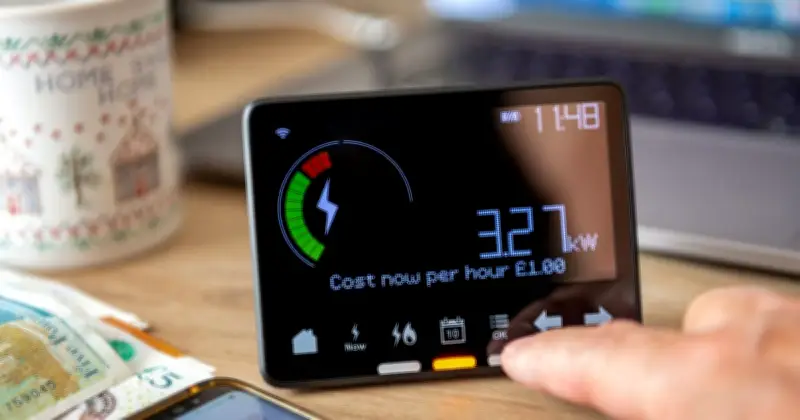
Energy bills are forecast to jump by a further 9% in January – the third quarterly rise in a row – following Ofgem's 4% hike in October. The new figures would push the typical annual bill for a dual-fuel household to an average of £1,872 on January 1, up from October's £1,723 price cap.
Households have been urged to compare fixed-rate energy deals ahead of the changes, which could save as much as £173 per year based on tariffs available at the time of writing.
What the experts say
Sabrina Hoque, energy expert at price comparison site Uswitch.com, said: "Experts confirmed this morning that they expect the price cap to rise a further 9% in January, which would make it a third consecutive hike in standard tariff energy rates.

"Households on a standard variable tariff who don’t make the crucial switch to a fixed tariff risk paying more for their heating this winter."
Fixed-rate energy tariffs lock in specified gas and electricity unit rates for a set period, giving customers bill certainty while wholesale prices fluctuate.
October price cap details
Ofgem, the energy regulator, confirmed this morning that the price cap will rise by 4% from £1,663 to £1,723 for a typical dual-fuel household paying by direct debit, effective from October 1.
Based on Uswitch's calculations, that's £147 – or 9% – more than the same period last winter, when the October cap stood at £1,576.
From October, the Government's cut to VAT on electricity bills, from 5% to 0%, will shave around £45 a year off the average bill, regardless of tariff type. This means this cap level isn’t as high as it might have been, but it hasn’t been enough to hold off price cap hikes.
Fixed deals that beat the cap
Despite the higher cap, there are still fixed tariffs on the market that undercut it. The cheapest, a 14-month fix from Fuse Energy, is priced at £1,550 for a typical home – around 10% below the new cap, according to Uswitch.
There are currently 17 fixed-rate deals available that beat the new October rate, the price comparison site said.
While energy market experts at Cornwall Insight predict a 9% increase in January compared with October, other suppliers' predictions are even higher. EDF predicts average caps of around £1,932, E.ON Next at £1,941, and British Gas at £1,970.
On average, supplier predictions suggest the average bill could be £285 (17%) higher than today's July rate, and as much as £365 (23%) higher than the cap households faced last January.
Consumer concerns and advice
More than half of energy bill-payers (53%) are worried about their ability to afford heating their homes this coming winter, rising to two-thirds among Gen Z and Millennials (63% and 65%), a Uswitch survey shows.
Yet only 22% say they have already switched, fixed, or taken steps to lower their bills.
Ms Hoque said: "With 17 deals currently undercutting the October price cap by up to £173, there is plenty of choice for households wanting to pay less and protect themselves from any future increases.
"Running a quick energy comparison will show you exactly what's available for your household based on your personal usage and is the best way to find a cheaper rate."
Money Saving Expert founder Martin Lewis said snapping up a cheaper fixed rate tariff "is the safest thing to do" now.
In a new post on X, Mr Lewis wrote: "The cheapest fixes are currently 7% less than the current Cap, so roughly 10% less than October's. With the Cap predicted to rise again in January, they look a decent bet.
"Though it's worth noting, fixes were quite a bit cheaper about six weeks ago. If, and it's a big if, things in the Middle East settle down, you may be able to fix at far lower prices in future (equally, things could get even worse). So if you're someone who has been on the standard tariff for ages, then the safest thing is just to get a cheap fix now (not just any fix, ensure it's as cheap as possible, don't just stick with your own firm)."
For regular fixers who'll monitor the market, Mr Lewis said there's "a chance" waiting may turn out to be better.

He added: "There are other options than fixing too. For lower users, British Gas has a Cap Tracker that matches the Cap rates but knocks £60 off standing charges for a year (plus £20 dual-fuel cashback via MSE). And there are EV tariffs and time-of-use tariffs worth a look.
"Your cheapest depends on usage and location, so use my whole-of-market by default comparison site CheapEnergyClub.com, which also has a ‘Pick Me A Tariff Tool’ if you’re not good at deciding."