Bleeding radiators can release trapped air and improve heating efficiency, a simple task homeowners can do in about five minutes without calling a plumber.
As winter approaches and temperatures drop, households will rely more on their central heating after months of inactivity during summer. If a home isn't warming up as expected, common problems can reduce heating effectiveness, and many do not require a professional to fix.
Trapped air and sludge are common culprits
Joe Horton, a plumbing expert at Able Group, said trapped air is among the most frequent causes of poor radiator performance. He explained: "Trapped air prevents the hot water from circulating properly and leaves parts of the radiator cold, and another is debris and sludge gradually building up in the heating system, restricting water flow and affecting how efficiently the radiators heat up."
Bleeding the radiator is often all that is needed and should be the first step. Horton said: "If your radiator isn't heating up correctly, don't automatically assume you need a replacement. Bleeding the radiator can help release trapped air, but if there are persistent cold spots or recurring problems, there might be a wider issue that a professional needs to investigate."
How to tell if a radiator needs bleeding
To determine whether a radiator needs bleeding, check for warmth at the top and cold at the bottom, which indicates sludge build-up. A radiator that feels cold at the top but warm at the bottom is likely suffering from trapped air.
British Gas recommends the following steps to bleed a radiator effectively. You will need a radiator bleed key (or a flat head screwdriver for more modern radiators), a cloth or old towel, and a container.
Step-by-step bleeding process
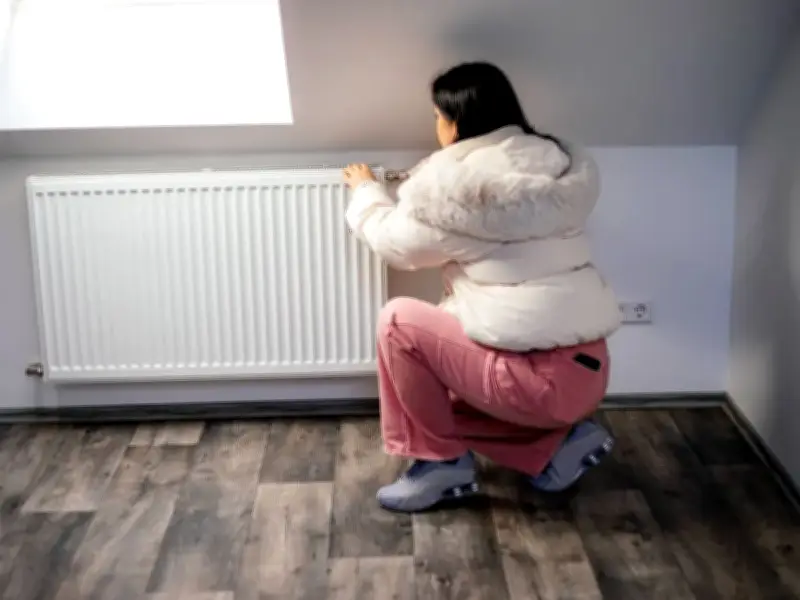
Turn off all the radiators and allow them to cool down completely to avoid burning or scalding yourself. Once the heating is off, locate the radiator valve and use either a radiator key or screwdriver to open it, turning it anti-clockwise. For particularly stiff valves, wrap a cloth around it to improve your grip.
Open the valve gradually, just enough until you hear a hissing sound, which signals that trapped air is being released. Once the noise stops, water will begin to flow out, which can be caught in your container. After the water or sludge has been released, firmly re-tighten the radiator valve and mop up any spillages.