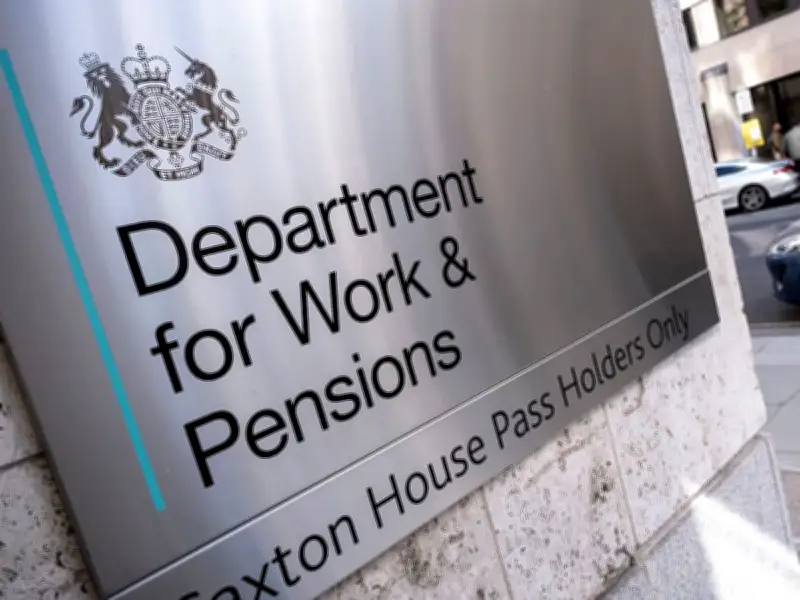
The Department for Work and Pensions (DWP) Cold Weather Payment scheme returns on Sunday, November 1, with eligible UK households able to receive £25 for each seven-day period when the average temperature in their area is recorded as, or forecast to be, 0°C or below. However, households are being urged to stay alert to scams, as British victims lose an average of £458.45 per message-related scam, according to research from cybersecurity company Kaspersky.
Last winter, almost 1.5 million households across England and Wales had received a Cold Weather Payment by mid-February, with payments triggered in areas including West Yorkshire, Greater Manchester and Wales. The scheme runs from November 1, 2026, to March 31, 2027.
Scam warnings from councils and experts
A string of warnings from councils, including Nottinghamshire County Council and Dorset Council, has highlighted winter heating support scams. Fraudsters are increasingly using AI-driven tools and brand impersonation to deceive consumers and pressure them into making quick payments, experts warn.
Tom Rogers, content specialist at Manage At Home, is sharing seven practical tips to help households understand their entitlement. He also explains how to recognise suspicious messages and how to protect your money.
Tom said: "With households looking for help with winter heating costs, a message promising a payment can understandably catch someone’s attention; that’s why it’s essential for pensioners or those within receipt of benefits to be on alert." He warned that AI can also help criminals produce convincing messages and websites. He said correct spelling, professional wording and familiar branding should never be taken as proof that something is genuine.
Payments are automatic – no application needed
He stressed that the most important thing to remember is that Cold Weather Payments are made automatically to eligible households. "You do not need to follow a link in a text, pay a fee or complete an application to release the money," he added.
Government guidance explains that people receiving Pension Credit usually qualify. Some households receiving Universal Credit, income-related Employment and Support Allowance or Support for Mortgage Interest may also qualify, depending on their circumstances. Tom said: "Receiving Universal Credit alone does not guarantee eligibility. Additional conditions apply, including rules relating to work, limited capability for work and children in the household."
Seven tips to avoid scams
Tom's tips include ignoring messages asking you to 'apply', 'activate' or 'release' your payment, as these should raise suspicion. "The scheme starting on November 1 does not mean everyone eligible will receive money immediately. Payments are triggered by qualifying periods of cold weather," he explained.
He also warns to watch for 'last chance' deadlines and threats of losing your payment. "Scam messages often claim you have not submitted an application, must act before a deadline or will lose your entitlement if you do not respond," Tom said. "Phrases such as ‘apply now’, ‘last chance’ and ‘confirm your details’ are designed to make you act before checking."
Tom advises not to rely on spelling mistakes to spot a scam, as AI tools can help criminals create professional-looking emails, convincing websites and even cloned voices. He said: "A familiar logo or confident caller is not enough to establish who you’re dealing with. Focus on what you are being asked to do. Requests to disclose a PIN or one-time passcode, install remote-access software or move money to a ‘safe account’ should prompt you to end the contact and verify it independently."
If an unexpected caller claims to be from your bank, Tom stresses to hang up before taking any action. You can call 159 to connect to participating banks, or use the telephone number printed on the back of your bank card. He said: "Do not use a number supplied by the caller. If you received a suspicious call on a landline, use a different phone or wait a few minutes before calling back, as criminals can keep the line open. Remember that 159 is for contacting your bank. It cannot confirm your eligibility for government benefits."
After a qualifying period of cold weather, eligible households should receive their payment within 14 working days, into the same account used for their benefit payments. If you think a payment is missing, contact the Pension Service or Jobcentre Plus through your usual official channels. Universal Credit claimants can leave a message in their online journal. Tom added: "Avoid anyone offering to recover or speed up a payment in exchange for a fee or banking details. Check your position independently before responding."
You can report suspicious text messages free of charge by forwarding them to 7726. Suspicious emails can be forwarded to report@phishing.gov.uk. "Do not reply to the sender, follow the link or make a small ‘verification’ payment," Tom said. "If you have already shared banking details or sent money, contact your bank immediately through a trusted route. It can also help to discuss unexpected payment messages with a relative, friend or someone you trust. There is no shame in being targeted, and asking for a second opinion can give you time to check before acting."