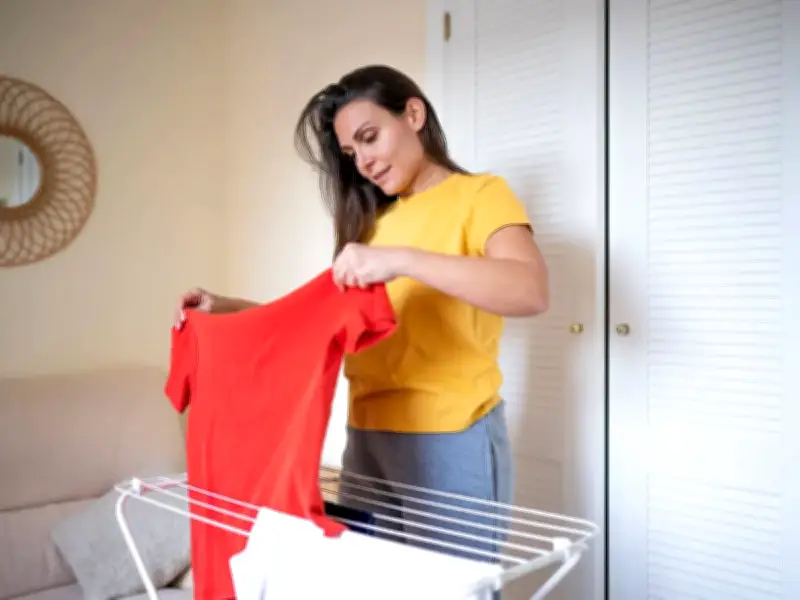
With energy bills continuing to climb, many households across Britain face a costly winter ahead. Although it may not yet be time to switch on the heating, the drop in temperature means clothes will increasingly need to be dried indoors.
Ensuring garments are dried thoroughly is also essential to prevent mould and unpleasant odours from developing. Whether you own a tumble dryer or not, running one can prove expensive due to its high energy consumption. While they come in handy during the coldest spells, the experts at Vileda suggest several alternatives for drying clothes.
Extra Spin Cycle and Towel Method
The experts said: "The fastest way to dry clothes begins before you even take them out of the washing machine. Run an extra spin cycle to remove as much water as possible." According to the experts, this step alone can cut "drying time in half", making every subsequent method far more effective.

For those in need of a "quick fix", the laundry specialists recommend the towel method. Lay a large dry towel on a flat surface, place your damp garment on top, then roll both together tightly like a burrito. Press down or gently twist to transfer the moisture into the towel. Once unrolled, hang the item on a drying rack to finish off. This works particularly well for t-shirts, gym kits, or lightweight fabrics.
Boost Airflow and Use a Salad Spinner
Good air circulation is crucial when drying clothes indoors without a tumble dryer. Positioning a fan in front of wet clothes can make a real difference, or better still, consider investing in a dehumidifier. These devices accelerate evaporation by maintaining air circulation and lowering humidity levels. If you have neither, simply opening a window to boost ventilation can prove effective.
The experts said: "This may surprise you, but a salad spinner is one of the best tools for drying small items like socks, underwear, or delicates. A quick spin removes excess water far better than wringing by hand."
Hang Correctly and Maximise Ventilation
When positioning wet garments on a drying rack, ensure space between each item to permit airflow. Jeans, jumpers, and heavier fabrics dry more quickly when hung on rods, allowing air to circulate on all sides.
The experts said: "When the weather allows, the sun and fresh air are your best allies. Hang clothes outside to take advantage of natural warmth and wind." If drying indoors, choose a bathroom or laundry room with an exhaust fan or open window to avoid moisture build-up.