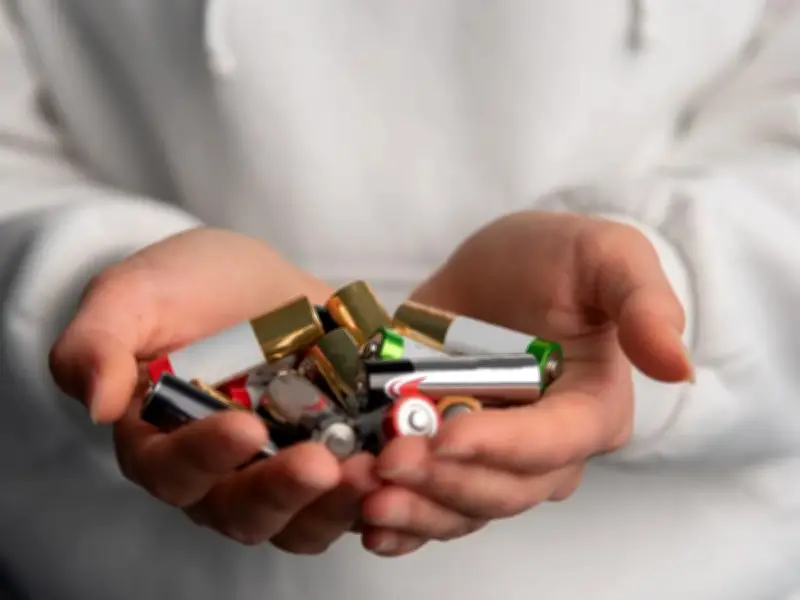
UK households that keep spare batteries stored away for emergencies are being urged to check them, after warnings that old batteries can deteriorate and leak chemicals. Consumer group Which? says many people may not realise batteries can go out of date: some may last 10 to 15 years, but it depends on the brand and battery type, so it is worth checking the date printed on the packaging.
Expiry dates and recommended battery types
Callum Pears, senior researcher at Which?, said: "Expiry dates vary, but battery manufacturers typically put a production and expiry date on the box." He added: "The Duracell Plus AA and AAA, for example, are alkaline options with a 10-year expiry date. If you're looking for batteries to tuck away for potential emergencies, I would recommend lithium disposable batteries over alkaline. These can be reliably stored for upwards of 15 years with a much lower risk of chemical leakage."
Risks of using expired batteries
According to the Which? expert, using batteries after their expiry date carries a risk. He explained: "You risk chemical leakage with the electrolyte or other internal chemicals oozing out of the battery. If this occurs while the battery is within a host device, it can damage that device."
When it is time to dispose of batteries, they should be recycled safely and correctly. Used batteries can be recycled in a number of ways, and recycling points can be found locally.
Storage and disposal guidance
Duracell experts advise: "Rechargeable lithium, lithium ion and zinc-air batteries should be recycled. In addition to 'traditional' rechargeable batteries like AAs or AAAs, rechargeable batteries found in household items such as cameras, cell phones, laptops, and power tools should also be recycled. Look for the battery recycling seals on rechargeable batteries."
They add: "Car batteries containing lead should be brought only to waste-management centers, where they can eventually be recycled. Because of the value of battery materials, many auto retailers and service centers will buy back your used car batteries for recycling. Some retailers often collect batteries and electronics for recycling."
Practical tips for battery care
Advice for battery users includes: do not attempt to recharge a battery unless it is specifically marked "rechargeable"; remove batteries from a device when it is not expected to be in use for several months and while it is being powered by household (AC) current; and store batteries in a dry place at normal room temperature, avoiding refrigeration and very warm places.
Batteries should be inserted with the + and – terminals aligned correctly, and contact surfaces kept clean with a pencil eraser or rough cloth. Always use the correct size and type of battery specified by the device manufacturer.