Charity Shop Donations: What You Can and Cannot Give
We spoke with a charity shop manager to discover which items are in high demand and which should be avoided when making donations.
Ella Walker Friday 13 February 2026 08:00 GMT
Undertaking a thorough clear-out can be immensely satisfying, particularly when you realise that many of your unwanted possessions could find a new home in a charity shop. However, not all donations are created equal, and some items are better suited for the local tip.

"Donations are absolutely vital. Without them, we simply would not have a charity shop," explains Gerry Golden, shop manager at Emmaus Dover. Emmaus UK is a homelessness charity with numerous branches across the country. "Items can truly enjoy a second life."
Essential Questions to Consider Before Donating
When deciding what to pack up for the charity shop, Golden advises: "You must ask yourself: will this sell? Is it useful? Can someone benefit from it?" If you suspect an item is beyond repair, it likely is. "People need to be mindful of what they are donating, and whether it is suitable for reuse. If not, with all due respect, please take it to the tip," Golden adds with a chuckle.
Pre-Loved Furniture is Generally Welcome
Minor cosmetic damage does not always render an item unsellable. "People often donate very valuable furniture that has a small chip or scratch. Many customers today engage in their own upcycling projects," Golden notes. "We sell numerous affordable chests of drawers and tables, priced between £10 and £20, which people love to refurbish."
Most charity shops, however, lack the resources to repair broken items. Some, like Emmaus Dover, may have workshop facilities for minor fixes, so it is wise to check beforehand.
Health and Safety Considerations
Not all charity shops accept furniture, and those that do typically require items to "have a fire label, unless they were manufactured before 1950." Golden emphasises: "We cannot accept items with missing parts, such as a sofa without legs. Glassware must bear the kite mark, unless it is Victorian or similarly antique." Emmaus also refuses safety or large sports equipment due to health and safety risks.
Electrical items are not universally accepted either; Emmaus, for example, does not take printers or Sky boxes. For those they do accept, items must be fully operational. Emmaus conducts Portable Appliance Testing (PAT) to ensure safety: "We do not sell any electrical items unless they have been PAT-tested."
Bric-a-Brac and Clothing are Highly Valued
"Bric-a-brac sells exceptionally well. It accounts for about 25% of our total shop sales, and customers adore browsing through it," says Golden. "Clothing is always welcome, and good-quality sofas always find buyers."
"Clothing is particularly important because we receive many calls from people in need," he continues. "They ask, 'What can you provide?' We always strive to assist them."
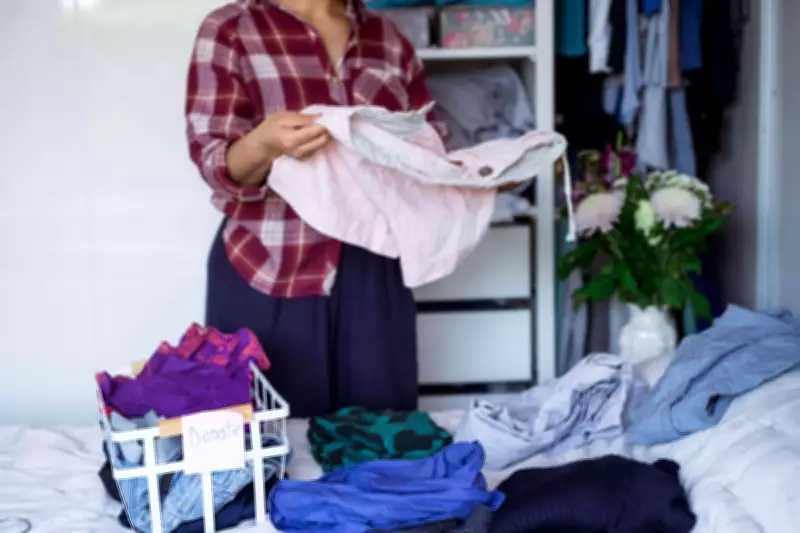
Clothing forms the backbone of most charity shops, but it is crucial to assess whether an item is genuinely wearable before donating. Heavily stained, torn, or threadbare garments will not make it to the sales floor. Charity shop staff sort through clothing donations and "rag it if it is damaged," Golden explains, noting that unsellable items are bagged and sent to ethical rag companies for recycling.
Seasonal Items Should Be Donated Timely
Avoid discarding Christmas decorations in June or Halloween items in February. Charity shops typically store seasonal goods until they are needed. "Any Christmas donations go into a large cage labelled 'Christmas.' The same applies to Valentine's items. I have just set up our Valentine's display in the shop," Golden shares. "We never discard such items; we always keep them."
When to Make Your Donations
Importantly, do not leave donations outside the shop after hours or on the doorstep. The optimal time to donate? "Anytime we are open," Golden states simply.