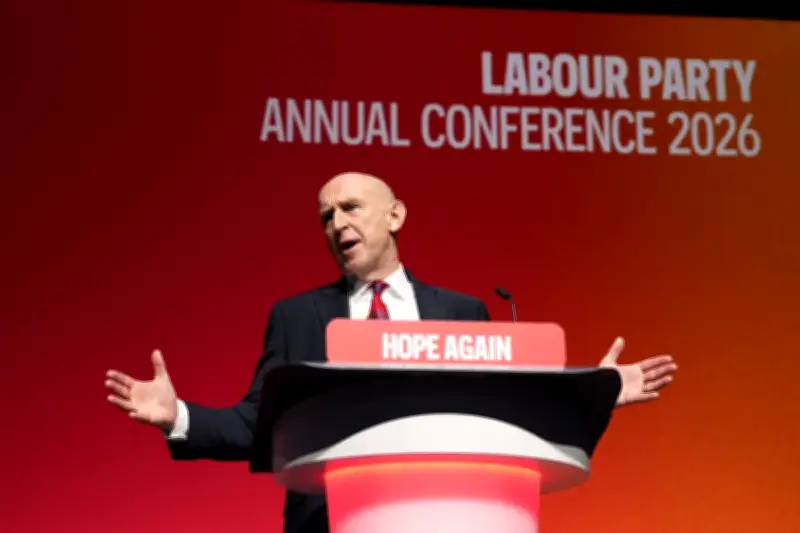
The average price of a litre of diesel in the UK stood at 199.18p on Monday, according to figures compiled by the RAC, surpassing the previous record of 199.09p reached in June 2022. Chancellor John Healey has said he is “concerned” about the record high.
Price rise compared to February
The current price is 56.8p more expensive than at the start of the US-Iran war on February 28 this year, when a litre averaged 142.38p. The previous record was reached in the wake of Russia’s invasion of Ukraine.
Mr Healey told ITV News: “It’s something I’m concerned about and people have seen the diesel and petrol prices rising over recent months.
“They’ve seen us put in place a Fuel Finder so people can find out the cheapest price on the forecourts around them.
“They’ve seen us put in place a freeze on any rise in diesel (duty) until the end of the year.”
Budget decision on fuel duty
Asked whether he will consider extending the current 5p cut in fuel duty beyond the end of this year, the Chancellor said he will announce that decision in the Budget on October 28.
He said: “I’m conscious of the pressure this is putting on people, on businesses as well as people at the pumps, and this is a government that will do what we can to give people a bit of breathing space…
“But those are decisions that I will make in the round at the Budget when I announce it in a month today.”
Global supply disruptions
The cost of diesel has risen steadily in recent weeks due to the impact on global supplies from the ongoing conflict between Russia and Ukraine, and from renewed hostilities in the Middle East. Russian exports of diesel have dropped sharply after many of the country’s oil refineries were targeted by Ukraine, with a key facility near Moscow damaged earlier this month as part of a huge drone operation.
This has led to extra demand for fuel from other diesel-exporting countries, causing wholesale prices to rise. Meanwhile, the ongoing war between the US and Iran is continuing to disrupt the global trade in refined oil and other petroleum materials, with Iran’s effective blockade of the Strait of Hormuz limiting the production and supply of fuel needed by consumers.
US President Donald Trump is threatening a diesel export ban to tackle rising prices in the US. Asked about Mr Trump’s potential export ban, Mr Healey said: “It’s a concern. But we’re talking, we always talk very closely with the US, especially on trade matters.
“We’re also talking, of course, to the US about what will help deal with this problem at its roots, which is solving the Middle Eastern conflict.
“A peace plan that will mean an end to the fighting, an opening of the Strait of Hormuz and Britain’s a country that is ready to lead a multinational mission, a military mission to help secure the Strait if we can get a peace plan, and that will do more than anything else of course to help bring down prices, relieve the cost of living and the cost of business pressures.”
Impact on households and businesses
The RAC data is based on the average price of diesel at a range of supermarkets, motorway service stations and independent retailers. The cost of unleaded petrol has also been climbing in recent weeks and currently stands at an average of 174.13p per litre, up by 41.3p since the start of the US-Iran war.
RAC head of policy Simon Williams said: “The average price of a litre of diesel has now reached the highest level in UK history, in what will be a financial blow to households and businesses that use their vehicles regularly.
“The cost of filling up an average family car is now almost £110, £31 more than it was at the start of the US-Iran conflict.
“This spells pain not only at the pumps for drivers, but for everyone who buys goods or services that rely on diesel lorries and vans; undoubtedly these increased costs will be passed on to consumers.
“Only a sustained lower oil price – over several weeks, not days – will lead to cheaper prices at the pumps.”
A total of 15.1 million diesel-fuelled vehicles were licensed to be on UK roads at the end of June this year, down from 15.7 million 12 months earlier, according to the latest figures from the Department for Transport. There were 9.8 million diesel cars, down year on year from 10.4 million. Some 20.4 million petrol vehicles were licensed to be on roads this June, including 18.8 million cars.
Edmund King, president of the AA, said: “Record diesel prices could be disastrous for the economy and for diesel drivers.
“Diesel helps run the business backbone of Britain. Most delivery trucks use diesel and most goods transported on the roads to our ports or shops are fuelled by diesel.
“When we hit high diesel prices, most hauliers pass on their extra costs to their customers and hence the hikes hit the price of goods on our shelves, which in turn fuels inflation.”