
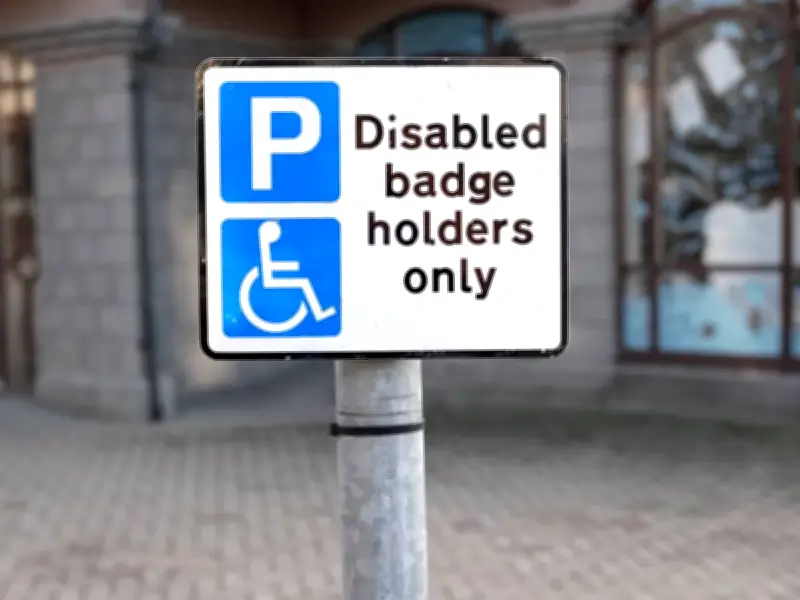
Blue Badge holders across the UK are being urged to take note of a crucial three-month deadline. According to the latest figures, there were approximately 3.22 million Blue Badge holders in England as of 31st March 2025 - roughly 5.5% of the population.
Renewal is not automatic
As reported by the Daily Record, eligibility criteria for a Blue Badge were widened in 2019 to include those with hidden disabilities such as Parkinson's, dementia and epilepsy, enabling more people to park closer to their destinations whether travelling as a driver or passenger.
Most holders will be aware that their Blue Badge expires three years after it was issued, yet many may not realise that renewal is not automatic and applications must be submitted 12 weeks before the expiry date to ensure the new permit arrives before the existing one becomes invalid.
Risk of a £1,000 penalty
Failure to apply for a new disabled parking permit 12 weeks before it expires could land you with a fine of up to £1,000. Blue Badge users risk a hefty £1,000 penalty simply for continuing to display an out-of-date badge - this is because displaying an expired Blue Badge is classed as "misuse".
If your Blue Badge is due to expire before the end of the year, you should submit a renewal application promptly to ensure it arrives in time. The replacement badge won't become valid until the existing one has expired, as it carries a start date, so you can put it aside safe in the knowledge that the changeover will be seamless.
Eligibility and costs
Eligibility for a Blue Badge is reassessed each time a renewal application is made. The guidance on GOV.UK states: "You must reapply for a Blue Badge before your current one expires."
It goes on to add: "How you pay depends on your local council. They'll usually make a decision within 12 weeks."
A Blue Badge costs up to £10 in England and Northern Ireland, £20 in Scotland, and is free in Wales. You can renew your Blue Badge directly through the GOV.UK website.




