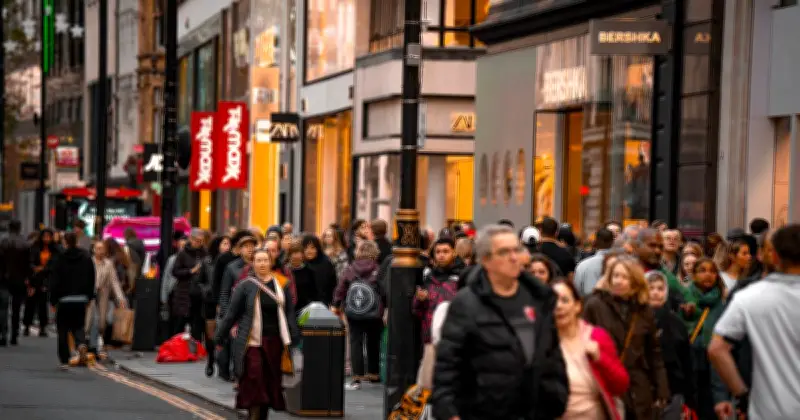
Millions of UK shoppers are heading into Black Friday and the Christmas shopping period without a clear understanding of their consumer rights. A new guide, The Smart Shopper's Guide to Christmas, has been created by PayPal in collaboration with the Take Five to Stop Fraud campaign. It offers advice on avoiding common scams, covering topics such as returns, rights, and practical guidance on steering clear of fraudulent activity.
Consumer Rights Act 2015 protections
Shoppers are protected under the Consumer Rights Act 2015, which entitles them to a full refund within 30 days if an item is faulty, not as described, or fails to arrive. This comes as research commissioned by PayPal found that while 74% of people feel safe shopping online this Black Friday and Christmas, many remain unclear about what happens when purchases go wrong.
The study uncovered that Brits are estimated to have lost more than £2 billion to dodgy goods or scams. A staggering 1.8 million Brits are estimated to have lost more than £250 to online shopping scams from which they never recovered.
Survey findings on shopping problems
Of the 2,000 shoppers surveyed, a third (31%) admitted they would not feel confident reclaiming their money if a purchase turned out to be a scam or never materialised. Three-fifths (59%) of Brits report having encountered a problem while shopping online, including receiving an item that failed to match its description (24%) and paying for goods that never materialised (24%).
A further issue involved dealing with sellers who became unresponsive once problems arose (16%). Despite these experiences, confidence remains remarkably high, with more than two-thirds (68%) believing they could identify a scam while shopping online this festive period.
Rising fraud threats and scam tactics
The reality is that purchase scams remain one of the UK's fastest-growing fraud threats. UK Finance data from 2025 revealed that losses from purchase scams reached a record £118.1 million in 2025, with 175,809 reported cases, accounting for 71% of all Authorised Push Payment (APP) scam incidents.
PayPal's findings indicate that many consumers may be overestimating their awareness of scams and the protections available to them when matters go awry. Nearly a quarter (24%) incorrectly believe there is no means of recovering money spent on a counterfeit or misrepresented product. Seven in ten either believe they would not be refunded or are uncertain whether their bank would reimburse them if they received faulty goods.
The research also underscores how scam tactics are developing. While most shoppers recognise traditional warning signs such as spelling mistakes (54%) and deals that appear too good to be true (53%), awareness falls sharply when it comes to more sophisticated modern tactics. Fewer than four in ten recognise AI-generated product images (39%) or countdown timers intended to pressure purchases (37%) as red flags. Additionally, more than two in five (42%) confess to taking risks when chasing festive bargains, leaving them vulnerable to scams.
Advice for safer shopping
For extra reassurance, PayPal is urging shoppers to become familiar with the protections on offer after purchase. For eligible purchases, PayPal Buyer Protection can assist if an item fails to arrive or varies significantly from its description, while eligible purchases can be received and inspected before payment is taken in full.
Dave Jones at PayPal said: "Black Friday and Christmas are busy times for online shopping, but the research shows many consumers are still unclear about what protections are available if something goes wrong. Whether it's spotting the warning signs of a scam or understanding your refund rights, a little knowledge can go a long way. That's why we've created The Smart Shopper's Guide to Christmas to help shoppers buy with greater confidence this festive season. And for added peace of mind, PayPal Buyer Protection can help on eligible purchases if an item doesn't arrive or is significantly different from its description and the issue can't be resolved with the seller."
Giles Mason, spokesperson for Take Five to Stop Fraud, said: "With Black Friday and the festive season approaching, criminals will be looking to convince you to buy services or goods that don't exist. To stay safe, we encourage everyone to follow the advice of the Take Five to Stop Fraud campaign. Stop and think before clicking on links on social media or over email and do your own research on the company you're purchasing from. Challenge what you're being told - be suspicious of offers that seem too good to be true and be wary if you're asked to pay by bank transfer. Finally, protect yourself if you think you've been scammed by contacting your bank and reporting it to Report Fraud."