Amazon's New Pay-by-Bank Option Poses Consumer Protection Risk, Experts Warn
A consumer expert has issued a stark warning about a new payment method introduced by Amazon, highlighting that it significantly reduces key protections for shoppers. The option, known as Pay by Bank, allows customers to transfer funds directly from their bank accounts to retailers without entering any credit or debit card details. While this method offers speed and convenience, it comes at the cost of sacrificing robust consumer safeguards.
How Pay by Bank Works and Its Growing Popularity
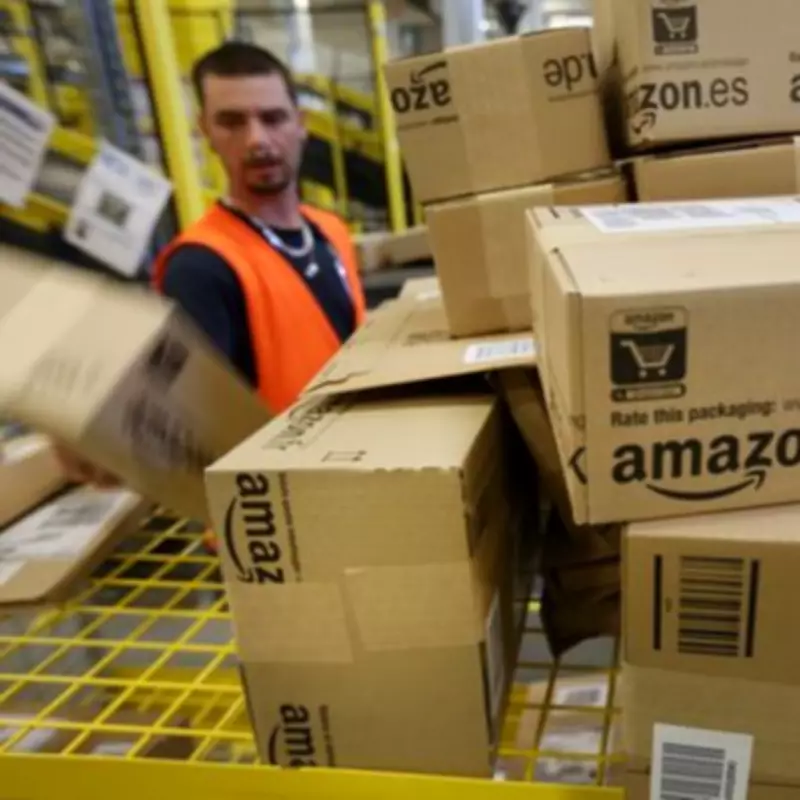
This week, Amazon became the latest major retailer to roll out the Pay by Bank option, enabling users to make purchases or set up Prime subscriptions through direct bank transfers. Alongside Amazon, other well-known brands such as Ryanair and Just Eat have also adopted this payment method. For shoppers, the appeal lies in its simplicity and the elimination of the need for a physical card during transactions. Merchants benefit from lower transaction fees and immediate access to customer funds, making it an attractive alternative to traditional card payments.
Key Protections Lost with Pay by Bank
Despite its advantages, consumer rights champion Scott Dixon has raised serious concerns about the protections shoppers forfeit when opting for Pay by Bank. He explains that this method eliminates or diminishes two critical consumer protections: Section 75 and chargeback rights. Section 75 of the Consumer Credit Act provides a safety net for credit card purchases over £100 and under £30,000, holding the credit card company jointly liable if a retailer fails to deliver or goes bust. Chargeback, a voluntary scheme, offers similar protection for debit and credit card purchases of any value, allowing refunds within 120 days if goods are faulty or not as described.

Without these safeguards, shoppers using Pay by Bank are left vulnerable in scenarios where retailers refuse refunds, deliver faulty goods, or become insolvent. Dixon warns that consumers are essentially stranded in such cases, with limited recourse beyond potentially costly legal action.
Consumer Group Echoes Concerns
The consumer group Which? has echoed these warnings, noting that while Pay by Bank offers benefits like instant refunds and reduced risk of card details being stolen, it lacks the rigorous protections of card payments. Jenny Ross, Which? Money Editor, stated, "Innovations like Pay by Bank present opportunities for businesses and consumers alike, but they’re not without risk, particularly as they lack the rigorous purchase protections you get when paying by card."
Which? emphasises that all purchases are covered under the Consumer Rights Act, which requires goods to be fit for purpose, as described, and of satisfactory quality. However, enforcing these protections can be challenging. If a retailer refuses a refund for damaged or misrepresented items, consumers may need to file a claim in small claims court—a process that is often expensive and time-consuming.
Expert Recommendations for Shoppers
To mitigate risks, experts advise caution when using Pay by Bank. Scott Dixon recommends avoiding bank transfers for big-ticket purchases such as holidays, electronics, cars, and sofas, as well as for advance bookings like concert tickets or hotel reservations, and when dealing with unfamiliar sellers. For purchases exceeding £100, he suggests using a credit card to benefit from Section 75 protection, even if only paying a deposit. For transactions under £100, a debit card is preferable to leverage chargeback rights.
Jenny Ross adds, "We’re calling on the regulator to act to ensure consumers can use Pay by Bank with confidence, but in the meantime, we’d urge consumers to think carefully before using it to book events or make substantial purchases—for now, your good old-fashioned credit or debit card may be the best option."
Amazon has been contacted for comment on these concerns, but no response has been provided at this time. As this payment method gains traction, consumers are urged to weigh the convenience against the potential loss of vital protections.