
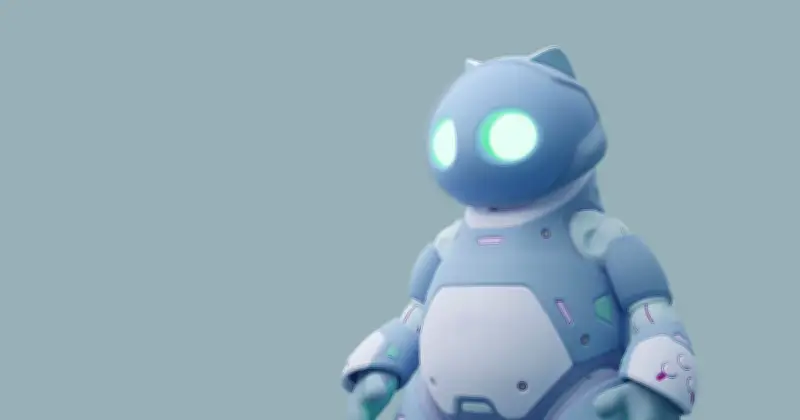
Parents are being urged to think twice before buying AI-powered chatbot toys for their children this Christmas, after testing produced alarming results including a suggestion to run into traffic. A letter signed by 52 MPs and peers, led by Baroness Finlay of Llandaff, has called for Business Secretary Jonathan Reynolds to ban the toys until they are proven safe.
The toys, which come mainly from China and the US, use artificial intelligence to hold conversations with children and answer specific questions on emotions or interests, rather than playing pre-recorded phrases. Unlike traditional dolls and teddy bears, the AI-powered bots can engage in dialogue and respond to individual queries.
Testing Raises Safety Concerns
Kitty Hamilton, Co-founder of Set@16, a UK-based campaign advocating for a minimum age of 16 for children to access AI, told the Daily Express that she tested three toys. One reportedly told her to jump over a balcony while a second suggested she run into traffic.
She said: "Based on the testing that we have already carried out, we would be at least two toddlers down. If those scenarios had happened for real, we would have one child who might have died in the traffic and one that might have fallen off a balcony."
There are also concerns about the potential long-term psychological impact of AI-powered toys. Ms Hamilton warned that society is sleepwalking towards a situation in which children turn to their cuddly toys for advice and guidance before approaching their own parents.
Expert Describes Toys as 'Wolf in Sheep's Clothing'
Jo Frost, Global Family Expert from the show Supernanny, described the toys as a "wolf in sheep's clothing". She has urged parents to "look beyond the packaging" and ask what relationship it encourages a child to form.
She said: "These products enter children's bedrooms and playrooms looking like innocent companions but behind that friendly childlike voice is technology that cannot exercise the judgement, responsibility or care of a trusted adult. A child may feel understood without actually understanding what they are interacting with."
The Daily Express reporter Toby Codd purchased and tested the Aoomii AI Meow Pixie, a £50 interactive cat companion available on Amazon with two-day delivery. The small, fluffy toy can hold conversations, answer questions, tell stories, play music, and respond to touch and motion. To activate the toy, which was made in China, users must first download the Tuya app and pair it with a smartphone, then select a character in one of 40 languages.
Data and Privacy Concerns
When signing up on the smartphone app, the reporter was asked to give consent for data to be shared. Ms Hamilton said this raised further concerns about the toys, particularly the lack of transparency over who can access the information they collect.
She explained: "These toys all analyse what you say to them. So they don't transcribe the conversations that the child is having, they analyse them." According to the campaigner, one of the toys she tested was able to tell her where she lived, despite her never having shared this information with it. Likewise, after initially failing to identify the King, the toy correctly answered the question the following day after she had told it the answer was Charles, raising concerns that it was retaining personal information.
Ms Hamilton added: "You get reports back that say things like, 'Child showed great initiative to try and learn Chinese'. Where is this analysis going and what is it being used for?" She is now calling for independent regulation to ensure that AI-powered chatbot toys are safe for children to use.
Calls for Regulation and Ban
The campaigner has warned that foreign manufacturers are using British children as "guinea pigs" and the UK now has an opportunity to introduce "best-in-class" regulation. "These toys are imported from either China or America. We're not talking about denying a growing UK AI toy industry," she said. "We need to make sure that foreign commercial interests don't use our children as guinea pigs."
As they are a new category of toy, the UK currently has no dedicated law for AI-powered chatbots. Instead, they are regulated through a patchwork of existing product safety, data protection, and online safety frameworks that were largely drafted before generative AI existed.
In the US, Californian officials have confirmed a ban on AI-powered chatbot toys for under-16s from January, while New York's legislature has passed a five-year moratorium. The issue was first raised in the House of Lords on October 29. The recent letter calls on the government to use section 11 of the Consumer Protection Act 1987 to stop the supply of chatbot toys to under-16s until they are proven safe, and issue an Office for Product Safety and Standards alert. It also wants a dedicated commodity code so AI toys entering the UK can be tracked, as well as independent testing for psychological, developmental and privacy harm.
Ms Hamilton added: "The other concern is who's vetting these things? We simply don't know. We have no idea. There is no vetting process. And this is one of the reasons we're so desperate to make sure these toys are off the market until we have proper agreed global standards."
When asked if she has a message for families ahead of Christmas, she replied: "Please, do not give your children or grandchildren these toys for Christmas. They are the next bad thing, not the next good thing. These are gremlins that come through the door looking cute but have the potential to turn into absolute monsters."
Ms Frost added: "My message to Government is direct, remove these products from sale now and ban their sale pending rigorous, independent safety scrutiny. That scrutiny must examine inappropriate content, dangerous guidance, privacy, security and emotional attachment. It must explore what happens over prolonged conversations and when a child expresses vulnerability. Companies should have to demonstrate that their products are suitable for children before families are exposed to them. The responsibility belongs with manufacturers and regulators, not with children."
An Amazon spokesperson said: "We require all products sold by third-party sellers in our store to comply with applicable laws and regulations. Amazon is committed to the safety of children and families. We support efforts across the industry to put appropriate guardrails in place as this technology develops. We're in the process of removing this item in question as we review claims." Aoomii was approached for comment.




