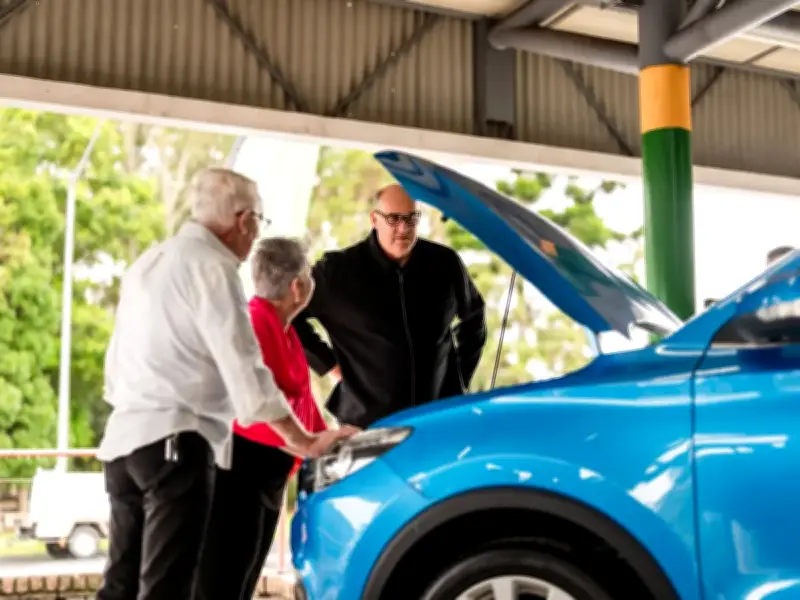
Millions of drivers risk making costly mistakes when buying used cars, according to new research by AA Cars. A third (33%) of drivers admitted they were not confident assessing a vehicle’s condition before spending thousands of pounds, the used car marketplace found.
What buyers check before purchasing
Nine in ten drivers said they would take a used car for a test drive before buying, while 81% would check the service history and 80% the MOT. However, only 60% said they would get a more thorough history check, which would include checking for outstanding car finance or loans, whether the car had been reported as stolen or had been an insurance write-off, or if the car had mileage discrepancies.
Beyond that, just 60% said they would check tyres for cuts and bulges, 52% would check the lights were working properly, 41% would check the windscreen wipers, and only 38% would check the oil level.

Confidence gap between men and women
The findings revealed a clear confidence gap between men and women, AA Cars said. More than half (56%) of women said they were not confident judging a used car’s condition, compared with just 20% of men, while only 16% of women described themselves as confident, versus 45% of men.
An independent vehicle inspection can give buyers an additional layer of reassurance by assessing the car’s current condition across key areas such as the engine, brakes, tyres, steering, suspension, bodywork, interior and electrics. It can help identify mechanical, safety or condition-related issues that may not be obvious during a viewing or test drive.
Expert advice for buyers
James Hosking, managing director of AA Cars, said: “The majority of buyers are getting the basics right when buying a used car. They are taking a test drive, checking the MOT and looking at the service history. But the figures show many still do not feel confident making that final judgement on their own, and that is where expensive mistakes can creep in.
“People should not feel they need expert-level knowledge to work out whether a car is a good buy. Buyers need clear information on a car’s condition, its history, what checks have been carried out and whether there are any warning signs before they commit to buying.
“An independent inspection can be particularly valuable for buyers who do not feel confident assessing a car themselves. A test drive and MOT history are important, but they do not necessarily tell you everything about the vehicle’s current condition. Having an expert look over key mechanical, safety and condition-related areas can give buyers greater confidence before making what is often one of the biggest purchases of their lives.
“Used cars remain the most realistic route into motoring for a huge number of people, especially at a time when household budgets remain under pressure. If buyers have more certainty at the point of purchase, they are far less likely to face nasty surprises later on.”