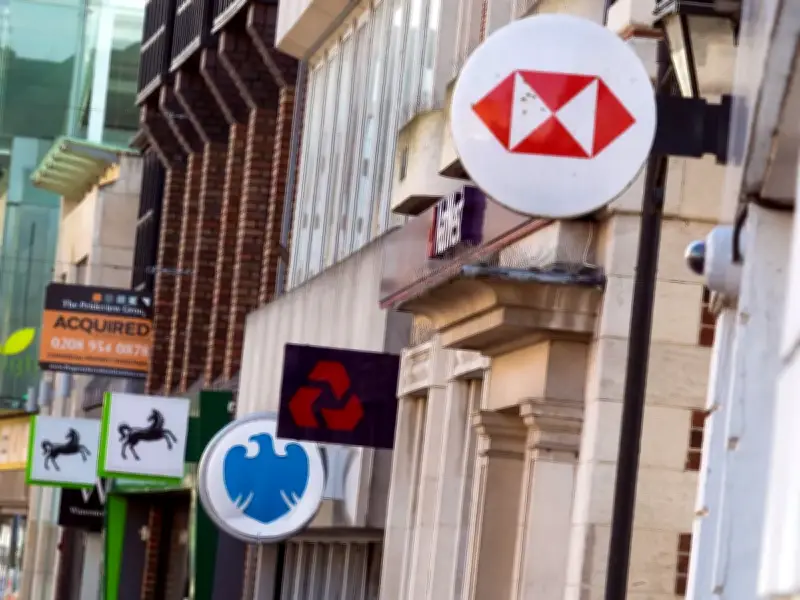
The government is preparing to introduce new legal protections for UK bank customers that could help between three and four million people, after a major review involving major banks and building societies.
The Treasury has announced it is committed to introducing the protections, which would ensure continued access to essential face-to-face banking services. The move comes after years of closures since the 1980s have seen 15,000 bank branches shut their doors.
Officials say face-to-face banking is vital in particular for older people, disabled people, people on low incomes, and those who find digital services harder to use.
Review calls for banks to fill gaps
A new review, which has engaged with NatWest, Barclays, HSBC, Lloyds, Santander, Nationwide and other major banks and building societies, has called for banks to assess and fill gaps in face-to-face banking that significantly affect their customers.
Lucy Rigby, economic secretary to the Treasury, has said the government will take action to ensure these people are not left stranded. She said: "Millions now rely on banking digitally but for people and businesses who rely on face-to-face services, being able to speak to someone in person really matters. We will act to protect the access they need."
Among the services people still rely on face-to-face banking for are complex banking tasks such as dealing with a bereavement and setting up a power of attorney. But day-to-day banking activities such as making a deposit, dealing with change and making a cash withdrawal are all seen as important by large numbers of people, the review found.
Review findings and next steps
The review by Richard Lloyd, a former director at consumer group Which?, was commissioned by the Treasury to look at whether the drop in access to in-person banking services is harming consumers. The report said it is feasible that banks and building societies could act in 2027.
It would mean customers and small businesses who need face-to-face banking would have their access to essential services protected. The review said that more than 3 million people rely regularly on banking in person, or four million for less frequent users.
Rigby added: "We thank Richard and the thousands who engaged with this review, and we will work alongside FCA, industry and consumer groups to ensure we get this right. Both people's needs and technology are changing rapidly and it is vital that the new framework is agile and adaptable so that it can respond to our changing world.
"In developing the detailed design of the framework, the government will work with the Financial Conduct Authority, industry, consumer groups and other stakeholders. This will include determining what constitutes reasonable access for different types of essential banking services.
"The framework will be carefully targeted and proportionate, whilst remaining responsive to changes in how people are increasingly banking digitally, and supporting competition and innovation. The Government will work in partnership with industry to support the delivery of the framework."
Speaking to the Mirror, she said: "I think it's really clear that I get over that this not about trying to turn the clock back by trying to tell banks and building societies where they can have branches but it is about making sure that people who need to access their in-person banking services can have that in-person access."
Access varies across the UK
The full details of how the changes will be implemented are still to be thrashed out. The report said that in 2025, around 80 per cent of the UK population overall were living within 3 miles of a physical bank branch provided by one of the larger banks and building societies offering personal current accounts. That is down from 87 per cent in 2022.
But overall distances differed significantly between nations within the UK. Northern Ireland had the lowest proportion of its population within three miles of a branch at just 63 per cent, with Wales at 69 per cent and Scotland at 74 per cent.
Rigby said there are lots of complex issues to consider even within this three-mile figure. She said: "You might for example live within three miles of a branch but the public transport might be shocking." How many days and other elements of how guaranteed services might operate is still to be decided.
One approach that the government has been backing is the banking hub model. The financial services industry has pledged to roll out 350 banking hubs across the UK by 2029. Many are already open. They offer everyday counter services provided by Post Office staff, and allow customers and businesses to withdraw and deposit cash, as well as hand in cheques, pay for bills and ask about balances. Such hubs also have dedicated rooms where customers can see community bankers from their own bank to carry out wider banking services.