
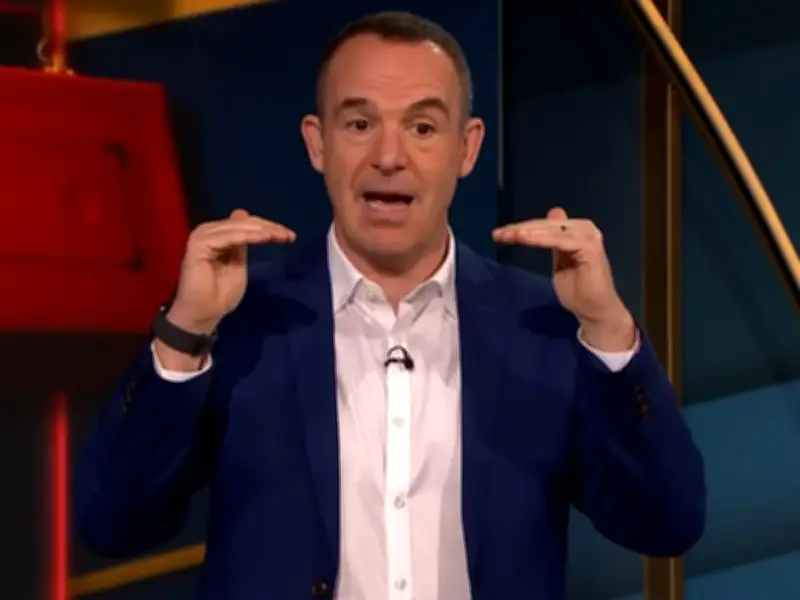
Martin Lewis has issued a warning about a pensions rule that many people forget. Your retirement pot could go to the wrong person if you fail to update your expression of wishes, especially after marriage.
What is an expression of wishes?
During his BBC podcast, a newlywed couple asked what financial details they should update. Lewis explained that when you sign up for a workplace pension, you fill out an expression of wishes, also called a nomination form. He said: 'Many people forget that they've done this. And that's because your pension is not included in your will.'
The expression of wishes tells the pension trustees or firm who you want your pension to go to if you die. If you've just married and had a previous partner, you should check who is named on the form. If it's your ex-partner, your pension pot will go to them even if you are no longer together.
Why it's 'really important' to update
Lewis stressed that updating this form is crucial. Getting a will done is also 'really important,' but the pension nomination overrides it. In England, Wales, and Northern Ireland, marriage or civil partnership invalidates any previous will.
Other financial rules for newlyweds
Married couples benefit from inheritance tax allowances. Each individual can pass on up to £325,000 in assets tax-free, plus an additional £175,000 for a main residence passed to a direct descendant. Unused allowances can be transferred to the surviving spouse, potentially doubling the standard allowance to £650,000 and the residence allowance to £350,000.
Another perk is the marriage allowance: if one partner is a non-taxpayer, they can transfer 10% of their personal allowance (£1,260) to the other partner.
Lasting power of attorney
Lewis also warned that being married does not automatically give you control over your partner's finances if they become incapacitated. You need a lasting power of attorney. He said this document is 'more important than a will' because if you are incapacitated, finances can be locked away, whereas intestacy laws will eventually distribute assets after death.




