
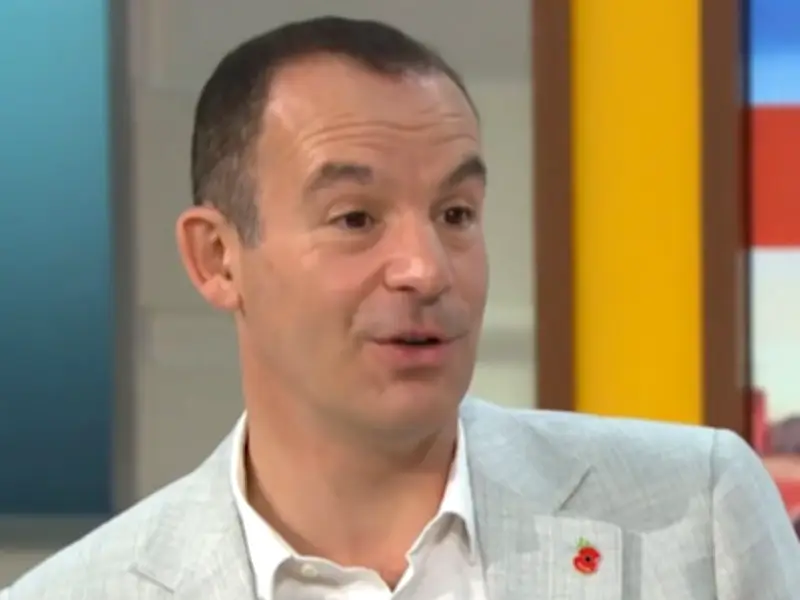
Martin Lewis has warned that many couples overlook a crucial pension form that determines where their savings go after death. Speaking on his BBC podcast, the money expert addressed a newlywed couple asking which financial documents to update, highlighting the 'expression of wishes' form—also called a nomination form—that pension savers complete when signing up.
What is an expression of wishes?
According to Lewis's MoneySavingExpert website, an expression of wishes tells your pension provider who should receive your pension savings if you die before retiring. While not legally binding, the provider will take your wishes into account when deciding who to pay the pension out to. The Interactive Investor website notes that savers should be given this form when opening a pension, but can request one at any time from their provider.
Lewis warned: 'Many people forget that they've done this. And that's because your pension is not included in your will. The expression of wishes tells the trustees of the pension or the pension firm who you would like your pension to go to in the event that you die.' If an ex-partner remains listed, your pension pot will be awarded to them upon your death regardless of your current relationship status.
Will and Lasting Power of Attorney
Beyond pensions, Lewis stressed that creating or updating a will is 'really important'. In England, Wales, and Northern Ireland, marriage automatically revokes any existing will, leaving you without a valid estate plan unless a new one is drafted. However, he argued another document is even more vital: a Lasting Power of Attorney (LPA). Being married does not automatically give you the right to handle your spouse's finances if they become incapacitated.
Explaining why he views an LPA as 'more important than a will', Lewis said: 'Once you're dead, you're dead, and there are intestacy laws and it won't mean your money goes to the right place, but it'll mean it'll go somewhere. But if you're incapacitated and you can't make decisions for yourself, then the finances can be locked away.'
Financial perks for couples
Getting married also unlocks major tax advantages. Inheritance tax allowances: every individual has a standard tax-free allowance of £325,000, plus an additional £175,000 main residence allowance when passing a home to a direct descendant. Married couples and civil partners can transfer any unused tax allowances to the surviving partner upon death, effectively doubling the standard allowance up to £650,000 for standard assets and £350,000 for the main residence allowance.
The Marriage Allowance allows one partner earning below the Personal Allowance threshold to transfer 10 per cent of that allowance—worth £1,260—to their tax-paying spouse. Lewis advised couples to review these benefits promptly after marriage.




