
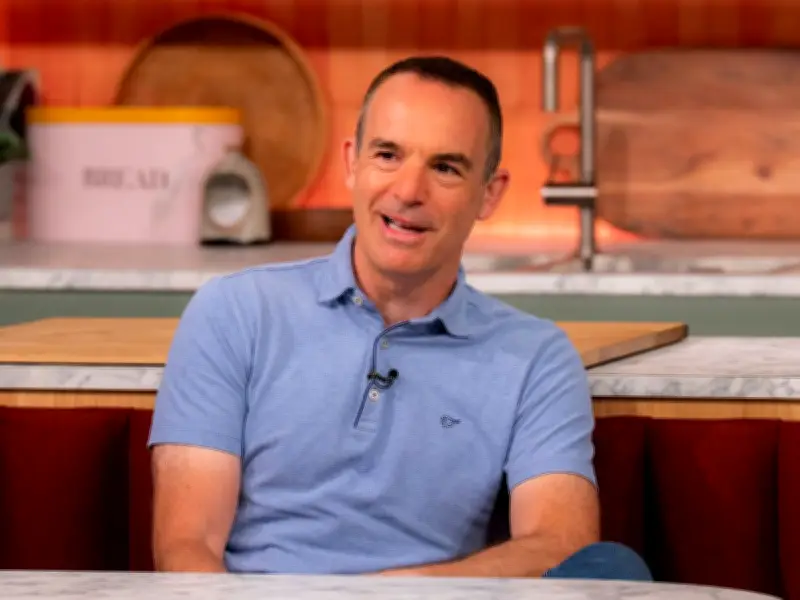
Consumer expert Martin Lewis has explained how UK households will be affected by the new energy tax cut announced by Prime Minister Andy Burnham. Electricity bills will be VAT free from October 1, cutting £45 off a typical home’s annual bill based on Ofgem’s current price cap.
This comes amid forecasts that household energy prices will remain high throughout winter, following a £221 jump to the price cap that took effect on July 1, raising it to £1,862 a year. The energy price cap is currently forecast to fall by only around 0.5% in October compared to July as the US-Iran 60-day ceasefire helps to stabilise wholesale gas markets, according to Cornwall Insight.
Martin Lewis's reaction to the VAT cut
Following the PM's announcement, Martin Lewis described the VAT cut as "a good totemic step and very welcomed" but said "in practice people won't feel much benefit". Writing on Facebook, he detailed: "Govt is to cut VAT on electricity bills for 6mths from 1 October. This will reduce bills by 4.8%. It says it is a £45 cut on a typical bill. It should come off all bills (inc fixes)."
Lewis explained that the benefit may be largely offset by predicted price cap increases. "The energy Price Cap on 1 October for elec & gas is currently predicted to rise 3% which on typical bills is over £50 on an annualised basis," he wrote. He added that further rises are predicted in January, making the VAT cut less impactful.
He also noted that the cheapest fixed deals have become less attractive: "Ten days ago the cheapest fix was 14% less than the Price Cap, now it is 8% less as wholesale rates have jumped due to the middle east conflict."
Lewis concluded: "Ultimately though it does mean people will pay less than they would've done without this. Yet it is going to need a lot more policy cost reductions, likely at the budget, for things to feel materially cheaper." He also praised the focus on electricity, saying it reverses the trend of gas becoming relatively cheaper than electricity.
Industry and campaigner reactions
Richard Neudegg, director of regulation at Uswitch.com, said the VAT change "could take the sting out of a potential increase". He noted that some supplier predictions suggest the next price cap could rise 5% from October, so the tax change could offset that. He advised households to consider switching to the cheapest deals, which currently undercut standard rates by £210 for the average household.
Simon Francis, coordinator of the End Fuel Poverty Coalition, called the VAT removal "a positive statement of intent" but stressed it does not address the scale of the problem. He called for an enhanced Warm Home Discount, reformed Cold Weather Payments, and an energy debt relief scheme. He added that the only long-term solution is to break the link between gas and electricity prices, tackle excess profits, and invest in renewables and energy efficiency.




