
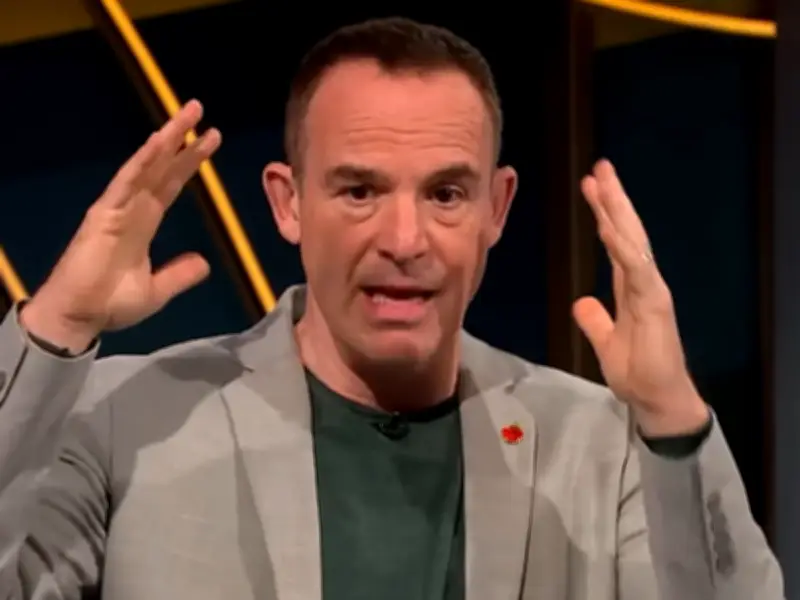
Martin Lewis has pointed out a significant flaw in Prime Minister Andy Burnham's newly announced £850 million tax cut on energy bills, warning that households will feel little benefit due to concurrent energy price cap increases.
Details of the Tax Cut Announcement
Andy Burnham, who became UK Prime Minister on July 20 after succeeding Sir Keir Starmer, unveiled his first major policy to ease the cost-of-living crisis: a six-month suspension of VAT on electricity from October 1. The government claims this will save households approximately £45 per year. The policy is partly funded by canceling Sir Keir Starmer's digital ID project, which was estimated to cost £600 million annually over three years.
Prime Minister Burnham stated: “I said I wanted to give people breathing space, and that’s what I’m announcing on my second day as Prime Minister. We’re taking immediate action to cut taxes on energy bills, put more money in people’s pockets and bring back hope.” The government expects energy suppliers to pass the VAT reduction to all customers, including those on fixed tariffs. However, the cut applies only to electricity, not gas, for dual fuel households.
Chancellor John Healey added: “For too long, too many people have struggled with the cost of living. Today’s energy tax cut will give families some breathing room on bills, and provide some reassurance this winter. This measure is funded this year from cancelling the digital ID programme, and it will help bring down inflation while supporting households in every postcode.”
Martin Lewis's Critique
Money-saving expert Martin Lewis responded on X (formerly Twitter) to his 3.2 million followers, noting that the VAT cut reduces bills by 4.8% but will be largely offset by rising energy price caps. He explained: “The energy Price Cap on 1 October for elec & gas is currently predicted to rise 3.1% which on typical bills is over £50 on an annualised basis (and that's likely to be in the right ballpark as we're a decent way through the analysis period). So the VAT cut gain over 6mths is mostly eaten up by that. Especially as the prediction is a further rise in January (though that is far more crystal ball gazing).”
Lewis also contextualized the 4.8% reduction: “Ten days ago the cheapest fix was 14% less than the Price Cap, now it is 8% less as wholesale rates have jumped due to the middle east conflict.” He acknowledged the policy as a “good totemic step” but concluded: “Ultimately though it does mean people will pay less than they would've done without this. Yet it is going to need a lot more policy cost reductions, likely at the budget, for things to feel materially cheaper.”
Impact and Context
Lewis praised the focus on electricity prices, noting: “It has been strange that govt policy has been to move people away from gas, yet we've seen the gas price get relatively cheaper compared to electricity. This reverses some of that.” Despite the criticism, the government maintains the cut will provide immediate relief, though experts suggest further measures are needed to address the ongoing cost-of-living crisis.




