
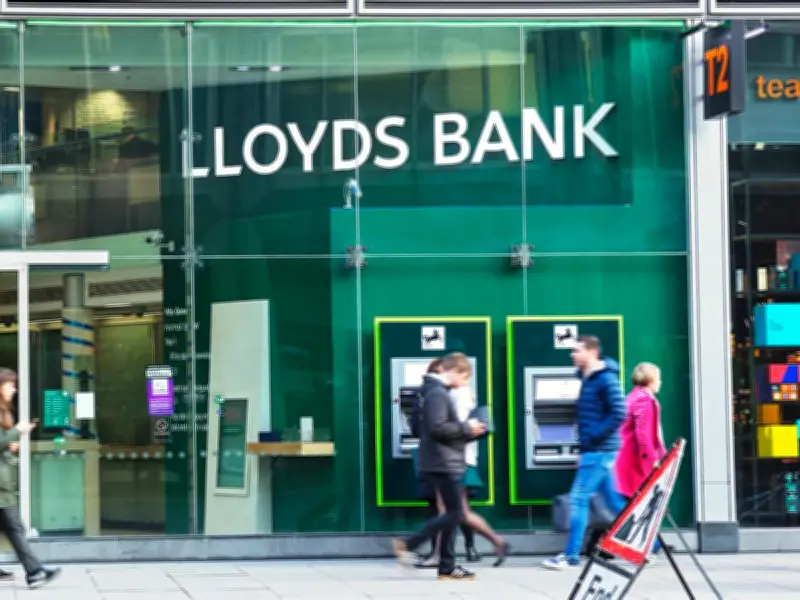
Lloyds Banking Group has reported pre-tax profits of £4.3 billion for the first half of 2026, up 23% from the same period last year and above the £4.1 billion analysts had expected. The bumper earnings have intensified calls for a tax raid on banks to help struggling families with the cost of living.
Record Profits and Industry Comparisons
Lloyds is the latest major lender to post strong results. Earlier this week, Barclays announced its pre-tax profits rose to £6.1 billion for the first half of 2026, up from £5.2 billion a year earlier. NatWest is set to report its profits on Friday, followed by HSBC next Tuesday.
TUC General Secretary Paul Nowak said: "This is further proof that we need to increase the bank surcharge. Big banks are making a fortune on the back of higher interest rates. It's plain common sense. While bank profits are booming, working people are struggling with mortgage misery and higher bills."
Political Pressure and Cost of Living
Andy Burnham has been urged to hit big banks with a tax hike to support households amid rising energy costs. Nowak added: "Andy Burnham has hit the ground running on tackling the cost of living. But with no clear end in sight to the war in Iran, energy prices will rise further – and the government needs to keep going on support. Taxing banks to cut energy bills would show clearly that the new Prime Minister is on the side of working people. It's the right thing to do and banks can easily afford it."
AI Strategy and Job Concerns
Lloyds attributed its profit growth to higher income and tighter cost control, alongside increased customer lending and deposits. The lender also unveiled a four-year plan to accelerate AI adoption and digitisation, aiming for an additional £2 billion in savings from 2027. However, the strategy raised fears of job cuts.
Lloyds chief executive Charlie Nunn said the bank does “not put targets around numbers of staff” but added that the shift will “impact work” across the group. “It is going to impact work, it is going to require us to continue to reskill people and hire new people,” he said. “But that’s been my history for 30-odd years in financial services.” He noted opportunities with agentic AI to differentiate services and grow efficiently, including providing investment advice to anyone in the UK.




