

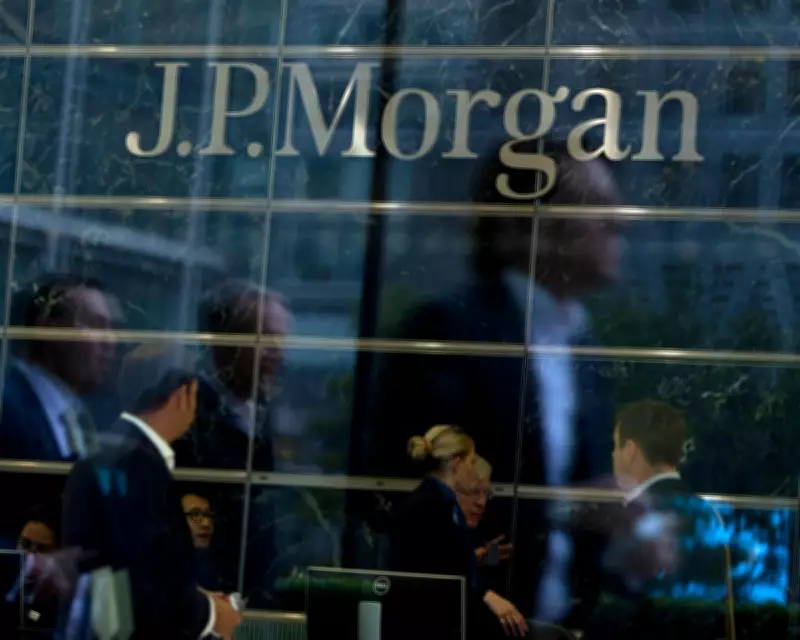
JP Morgan Pursues Business Rates Discount for London Headquarters
JP Morgan, the global banking giant that achieved a net income of $57 billion in 2025, is currently in negotiations to secure a discount on its business rates for a proposed new European headquarters in London's Canary Wharf. This development comes despite the bank's substantial profits and previous announcements framing the project as a done deal.
Background of the Canary Wharf Project
In November, following the budget announcement, Chancellor Rachel Reeves expressed her enthusiasm for JP Morgan's plan to construct a 279,000 square metre tower in Canary Wharf. She hailed it as a multibillion-pound endorsement of the UK economy and the government's growth strategies. Jamie Dimon, JP Morgan's CEO, echoed this sentiment, citing the government's focus on economic growth as a key factor in their decision.
However, reports suggest that negotiations were contingent on reassurances regarding tax policies, with the prime minister's business envoy, Varun Chandra, traveling to New York before the budget to affirm the government's pro-business stance. Initially, it appeared that London would benefit from a £3 billion office development housing 12,000 employees.

Ongoing Negotiations and Discount Requests
Contrary to earlier assurances, the negotiation process remains incomplete. Documents from Tower Hamlets council reveal that JP Morgan is seeking a discount on business rates, with the Treasury proposing "up to 100%" relief over several years. This could equate to hundreds of millions of pounds, as the site is estimated to generate up to £1.6 billion in rates over 25 years under standard conditions.
The bank has indicated that it is "unlikely to progress" without clarity on this incentive, prompting the government to request the council to explore lawful and fiscally responsible options. An artist's impression of the riverside development highlights its scale and potential impact.
Economic Justifications and Criticisms
Proponents argue that such sweeteners are typical for large-scale developments. JP Morgan has touted an assessment claiming the project would add nearly £10 billion to the UK economy over six years and create approximately 7,800 construction-related jobs, presenting compelling figures for negotiation.
Nevertheless, the focus on business rates as a vehicle for incentives has sparked criticism, particularly from pubs, restaurants, and hospitality businesses that faced increased rates in Reeves's budget. One proposal involves creating an enterprise zone around the development to allow time-limited discounts, potentially distorting the tax system.
Power Dynamics and Government Strategy
The negotiation underscores a significant power imbalance, with JP Morgan likely to secure a deal it may not strictly need due to the Treasury's reluctance to lose this investment. Financial services are a cornerstone of the government's modern industrial strategy, making it politically embarrassing to let the project falter.
As discussions continue, there is growing scrutiny over the true cost of this "multibillion-pound vote of confidence," with calls for transparency regarding the financial concessions made to attract corporate investment.






