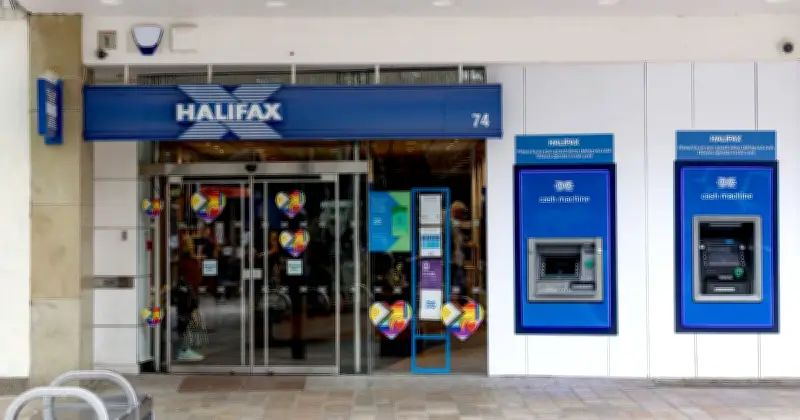
Halifax and Lloyds have confirmed the closure of eight branches in December 2026, adding to a wave of bank branch closures across the UK this year. The move is part of Lloyds Banking Group's wider plan to shut 250 stores by 2027, with dozens of branches already closed in 2026.
Full list of December closures
According to LINK's assessment, the following branches will close in December 2026:
- Halifax: Ealing Broadway, Gateshead, Hemel Hempstead, High Wycombe, Milton Keynes, Wimbledon, Woking
- Lloyds: Southampton - Totton
This follows a series of closures from various banks throughout November, continuing a trend that has seen around 6,000 branches shut over the last ten years.
Reason for closures
Major banks have attributed the closures to changing customer habits, with most people now managing their money through websites and apps. A spokesperson for Lloyds Banking Group previously said: "The way people are banking has changed, with over 21 million customers choosing our apps to manage their money. We're providing more choice than ever before, bringing together the best in digital convenience with our people."
"Alongside our app, our customers can use any Lloyds, Halifax or Bank of Scotland branch, the Post Office or Banking Hubs for their everyday banking, and deposit cash at over 30,000 PayPoint locations," the spokesperson added. Recent figures suggest around 87% of UK adults now use at least one form of digital banking.
Concerns for vulnerable customers
Campaigners have said elderly and vulnerable customers are struggling to withdraw cash amid the closures. Alan Mak MP said more banking hubs are needed as they serve as a vital lifeline for older people after some 6,000 branches shut their doors over the last ten years.
The Government recently announced measures to ensure face-to-face banking remains available. Caroline Abrahams, Charity Director at Age UK, said in response: "Over recent years we’ve seen a huge decline in the number of bank branches available, which has left many older people facing extreme difficulties in managing their money and carrying out day-to-day financial transactions."
"Our research suggests that around a quarter of over-65s mainly use face-to-face services to manage their bank account. Many of these people are on low incomes, are digitally excluded, or face other difficulties in their lives," she added.