
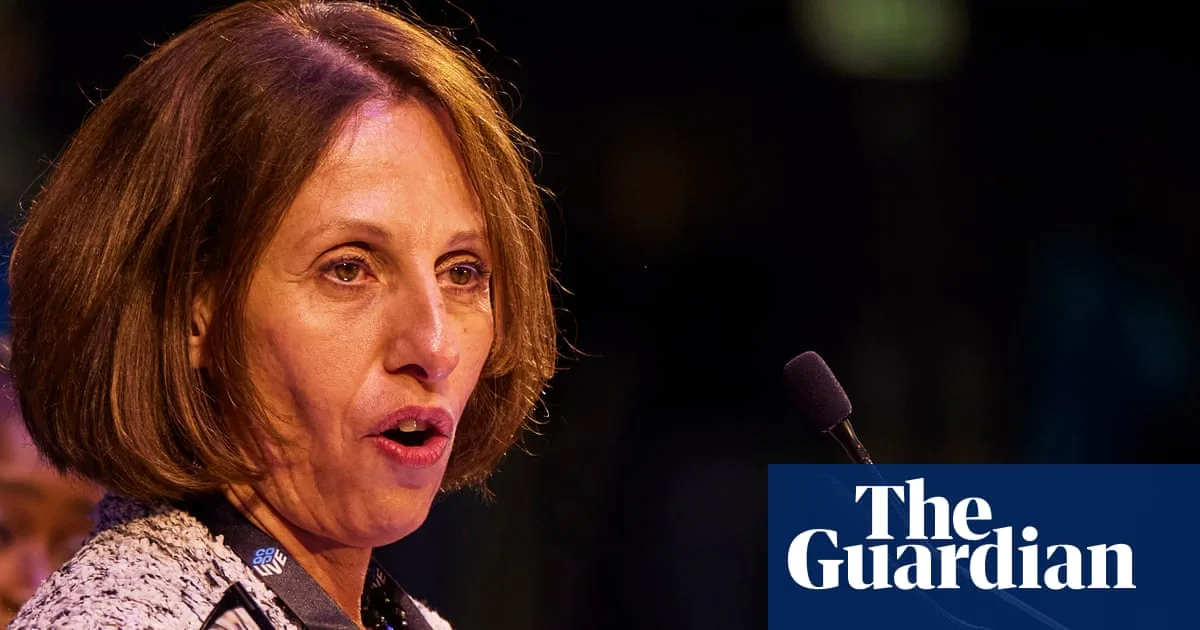
Shirine Khoury-Haq, the former chief executive of the Co-op, received a total pay package of £1.9m in 2025 before her sudden departure last month, despite a difficult year in which the retailer was pushed into an underlying loss of £125m following a cyber-attack.
Khoury-Haq and other executives did not receive their regular annual bonus after the board said the company had not met an 'affordability underpin' for the payout. However, her total pay included a £165,000 'rewarding growth' bonus, approved by the board, and a long-term performance bonus linked to earlier years.
The Co-op's remuneration committee said it decided to pay out 10% of the three-year potential total for the 'rewarding growth' scheme, which goes to all staff. The committee acknowledged that targets were not met but recognised the 'tremendous hard work and effort of all colleagues' in response to the cyber-attack. Full-time frontline workers employed for all of 2025 received £100 each under the scheme.
Khoury-Haq's pay package was down from £2.2m in 2024. The annual report did not specify if she would receive compensation for loss of office but confirmed she would not receive further payments from the 'rewarding growth' scheme. She remains eligible for a separate £682,000 performance bonus next May, subject to conditions.
Kate Allum, a board member and former boss of First Milk, has been appointed interim chief executive while a permanent replacement is sought. Khoury-Haq denied that her departure was linked to allegations of a toxic culture at the top of the group, describing her decision as 'very much a personal decision'.
A Co-op spokesperson said the 'rewarding growth' scheme is a three-year all-colleague plan, with 53,000 eligible colleagues receiving a payout this year. The board exercised discretion to recognise colleagues' extraordinary effort during a challenging year, including their response to the cyber incident.




