

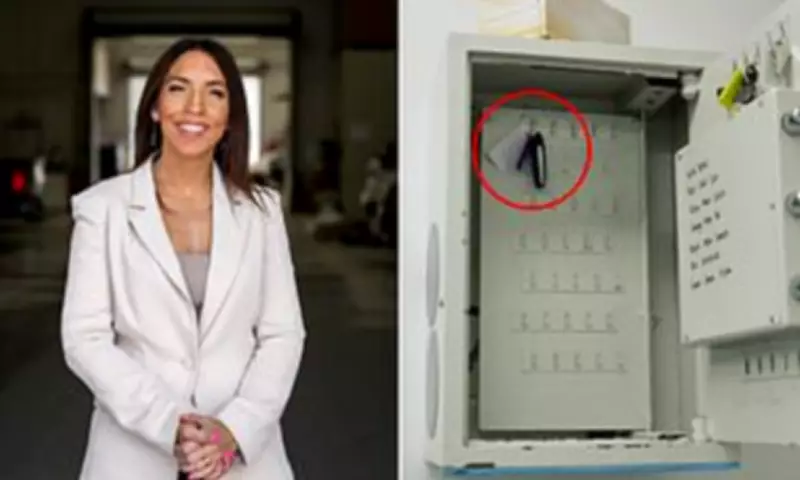
A stark photograph from inside a Melbourne car dealership has become a powerful symbol of Australian commuters' shifting priorities amid the ongoing fuel crisis. The image, captured at GWM Werribee, reveals a cupboard that once brimmed with keys for brand new hybrid vehicles, now nearly vacant with just a single set remaining. This visual evidence underscores a dramatic, unprecedented surge in demand that has left the dealership awaiting fresh shipments to replenish depleted stock.
Unprecedented Sales Surge Driven by Fuel Prices
GWM confirmed that shortly after the photo was taken, the last set of keys disappeared by lunchtime, highlighting the intense consumer interest. Kelly Van Blommestein, Dealer Principal at GWM Werribee, expressed astonishment at the recent impact of skyrocketing petrol prices, which have propelled hybrid sales to record levels. After years in the automotive industry, she now observes a rapid transformation: ordinary Australians, who merely months ago would only consider petrol cars, are now entering the dealership and signing contracts immediately for hybrid models.
Consequently, the dealership has consistently shattered its own sales records week after week, as illustrated by the snapshot of their typically overflowing key cupboard. This exclusive photo obtained by Daily Mail Australia depicts a cupboard at GWM Werribee that would normally be packed with keys for new hybrid cars, but recent demand reduced them to their final vehicle while anticipating the next consignment.

Statistical Evidence of the Shift
GWM Australia's sales figures substantiate this trend: February recorded 4,689 vehicle sales, climbing to 5,680 in March. This not only marks a record month but also a significant 21.1 per cent monthly increase. Crucially, nearly half of March's sales comprised New Energy Vehicles, including hybrid, plug-in hybrid, and electric models. Australia's latest VFACTS data confirms this is more than mere sentiment; it reflects reality. March witnessed the largest month ever for low-emission vehicle sales, with pure electric models achieving a record 14.6 per cent of all new car sales—nearly double the figure from March of the previous year. Meanwhile, petrol car sales plummeted by 20.8 per cent year-on-year.
Financial Sector and Online Interest Reflect Growing Demand
The finance industry is also noting this shift. National Australia Bank reported a 100 per cent increase in new electric vehicle loans in March, while Commonwealth Bank observed a 161 per cent rise in EV finance demand since the beginning of the month. Online platforms indicate Australians are increasingly curious about exploring electric vehicles. For instance, Carsales reports that EV searches nearly tripled in March compared to February, with 55 per cent of users now considering a low-emission vehicle for their next purchase.
Kelly Van Blommestein notes that some customers remain hesitant, awaiting relief at the petrol pump. "There are still Australians waiting for petrol prices to go down—families sticking with petrol cars because it's what they've always known," she remarked. However, she predicts petrol prices will not decline for some time, viewing this period as a pivotal moment for conversion to electric and hybrid cars. "The most dangerous mindset right now is hoping things stay the same," she mused. "The question is: are you ready for what comes next?"
Addressing Consumer Concerns and Highlighting Options
Kelly acknowledges that a sticking point for some Australians involves perceptions of lengthy waiting periods and the hassle of installing charging units. For those uncertain about making the transition, she recommends hybrids, which "solve many of these issues—including charging itself while you drive." She highlights that for a family driving 15,000 kilometres annually, this translates to over $1,500 in savings each year. "No waiting. No plugging in," she added.
One currently available vehicle offering this potential is the 2026 GWM Haval Jolion Premium Hybrid Auto, priced between $28,990 and $31,790, depending on location and state-specific on-road costs. Meanwhile, Daily Mail recently cited an AAP report indicating demand for second-hand electric vehicles is surging as petrol prices climb, with enquiries more than doubling since the fuel crisis began.

Industry Experts Weigh In on the Trend
Automotive experts suggest the surge extends to new vehicles as well, potentially causing delays as some buyers purchase cars still en route to Australia. Pickles Car Auctions recently reported searches for electric vehicles increased by 111 per cent in the three weeks leading to March 21, as widespread fuel shortages and record prices have seen some regional stations charge over $4 per litre for diesel. Interest in battery-powered cars spiked mid-March, with Pickles' general manager Brendon Green noting 98 per cent more customers adding EVs to their wish lists.
"There seems to be a direct line between the petrol spike and people looking at EVs—and I think this will accelerate the trend," Green stated. Whether this signifies a permanent shift depends partly on fuel prices, he added, although sales have been climbing steadily. Interest in electric vehicles follows their achievement of a new record, representing 11.8 per cent of new car sales last month. However, the full impact may take months to become clear, according to Australian Electric Vehicle Association president James Pickering, given manufacturers are now accepting pre-orders.
"We're hearing a lot of dealers are running down stock in the country—and some are running down stock in transit," he explained. "The true picture of what's happening will show not just in March sales but in April as well." This comprehensive analysis underscores a significant transformation in the Australian automotive landscape, driven by economic pressures and evolving consumer preferences.





