
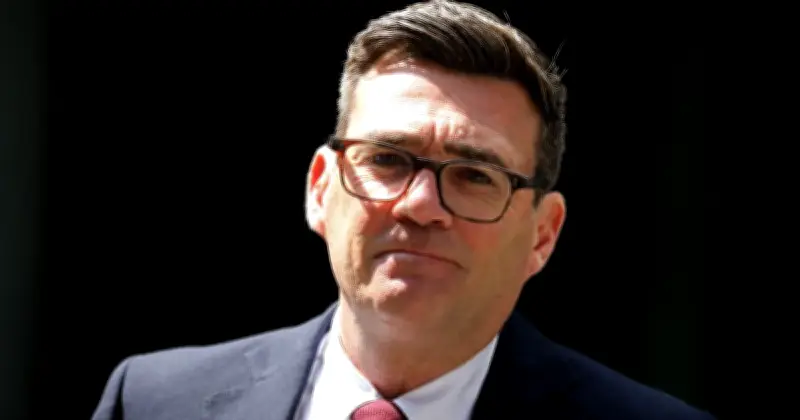
New Prime Minister Andy Burnham has hinted at raising the tax-free Personal Allowance after years of freezes, but financial experts have slammed the proposal as a bad tax cut. The allowance, currently frozen at £12,570 since 2021, determines how much income is tax-free before the 20% rate applies. An increase to £13,070 would cost £5 billion and save basic rate taxpayers only £100 a year, according to Dan Neidle, founder of Tax Policy Associates Ltd.
Burnham's Proposal and Expert Criticism
In an interview before taking office, Burnham told The Times that frustration over the five-year freeze had lodged in his mind during his campaign. He said, "They're just characterising me as a tax raiser. Well, again, it's never that simplistic, is it?" However, Neidle argued that a £500 increase is inefficient compared to a 1p cut in employee National Insurance, which would cost the same £5 billion but save the median full-time worker £250 per year.
Fiscal Drag and Tax Burden
The freeze has dragged millions into higher tax brackets through fiscal drag, as wages rise with inflation. Currently, the 20% rate applies from £12,570 to £50,270, then 40% up to £125,140, and 45% above that. Burnham has also announced plans to remove VAT on energy bills from October, aiming to ease cost-of-living pressures.
Political Context
Burnham, replacing Sir Keir Starmer, seeks to address claims he will hike taxes. The personal allowance change would be a key policy, but experts urge focusing on National Insurance cuts instead to better reward work.




