
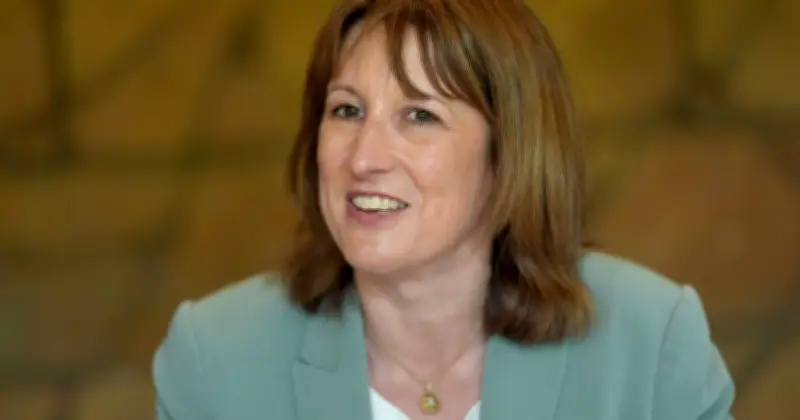
Political Turmoil Could Hit Household Finances
The prospect of Rachel Reeves being forced out as Chancellor could have major consequences for household finances, with warnings that mortgage rates, loan costs, and even taxes could come under pressure. Financial experts say the departure of the Chancellor – who has become one of the strongest advocates of Labour's fiscal discipline – could trigger nervousness in financial markets if investors fear the Government is moving away from its commitment to controlling borrowing. The warning comes amid mounting political uncertainty following Sir Keir Starmer's resignation and speculation over the future direction of Labour under Andy Burnham.
Market Focus on Fiscal Discipline
Andrew Prosser, head of investments at InvestEngine, said markets would be less concerned about a Cabinet reshuffle itself and more focused on whether a new Chancellor would stick to Reeves' approach to balancing the books. He said: 'If she were removed as Chancellor, markets would look beyond the reshuffle itself to whether the Government's approach to tax, spending and borrowing was about to change.' The biggest concern for many households would be the impact on borrowing costs. Mr Prosser warned that if investors believe a new Chancellor is more likely to loosen fiscal rules, increase borrowing, or delay difficult spending decisions, yields on government bonds could rise.
Rising Gilt Yields and Mortgage Rates
Those higher gilt yields can feed through into the wider economy, affecting the cost of mortgages, personal loans, and business borrowing. He said: 'People already locked into fixed-rate mortgage deals may not feel the impact straight away, but those coming to the end of a deal could face higher rates if market borrowing costs rise.' The warning echoes concerns from Moneyfacts, which said markets had already begun pricing in greater political uncertainty following last week's by-election results. Adam French, head of consumer finance at Moneyfactscompare.co.uk, said: 'Episodes of political volatility tend to push up borrowing costs as investors demand a greater premium for perceived risk.' He added that financial markets would be scrutinising the fiscal policies of any future Labour leader.
Lessons from the Truss Mini-Budget Turmoil
The turmoil that followed Liz Truss's ill-fated mini-Budget in September 2022 saw gilt yields surge and mortgage rates rocket, forcing many lenders to withdraw products from sale. For homeowners facing a remortgage later this year, French said there are steps they can take to protect themselves. 'Many lenders allow borrowers to secure a new deal up to six months before their current mortgage ends, providing valuable protection should uncertainty push rates higher in the meantime,' he said.
Tax and Spending Battleground
Tax could also become a battleground if a new Chancellor seeks to reassure investors while maintaining spending commitments. Mr Prosser noted that Burnham has previously backed Labour's pledge not to raise income tax, VAT, or employee National Insurance, while also supporting Reeves' fiscal rules. However, he said Burnham has also proposed increasing the personal allowance – currently £12,570 – allowing workers to earn more before paying income tax, while previously supporting the restoration of the 50% top rate of income tax for the highest earners.
Pound and Inflation Risks
The value of the pound could also come under scrutiny if investors become concerned about the UK's economic direction. A weaker pound makes imports more expensive, potentially increasing the cost of food, fuel, clothing, electronics, and foreign holidays. Mr Prosser said: 'A weaker pound makes imports more expensive. That can feed into the price of food, fuel, clothes, electronics and holidays abroad.' He added that this could make inflation harder to bring under control and reduce the scope for the Bank of England to cut interest rates.
Interventionist Policies and Investor Confidence
While supporters of a more interventionist economic approach argue that greater state involvement in areas such as housing, transport, and utilities could help lower everyday bills, investors would want reassurance about how such policies would be funded. Mr Prosser said: 'The immediate risk would be uncertainty: higher mortgage rates, more expensive loans, a weaker pound and stickier inflation.' He added: 'The longer-term impact would depend on who replaces her, whether they stick to the fiscal rules, and whether markets believe their tax and spending plans add up.'




