
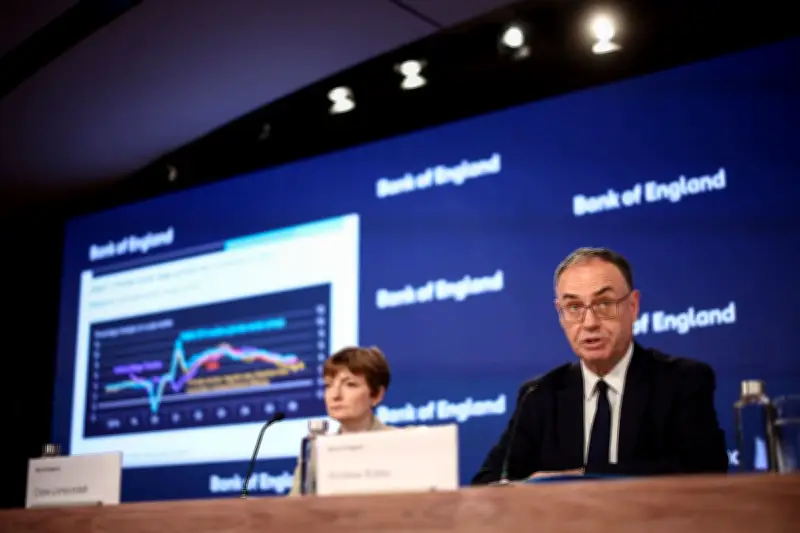
The Bank of England left interest rates unchanged at 3.75% on Thursday, with its Monetary Policy Committee (MPC) voting 6-3 to hold. Three members—Huw Pill, Megan Greene, and Catherine Mann—preferred a 0.25 percentage point increase to 4%. This was the fifth consecutive meeting at this level, following a gradual reduction from a peak of 5.25% in August 2024.
The base rate influences the cost of mortgages and loans. Many lenders had cut rates early this year in anticipation of a Bank cut but reversed course after the Middle East conflict escalated. The recent re-escalation has put upward pressure on mortgage rates, while savings rates may also rise.
What Drove the Decision?
Raising interest rates is the Bank's main tool to curb inflation, which it targets at 2%. The latest official figures showed Consumer Prices Index (CPI) inflation dipped to 2.6% in June from 2.8% a month earlier, still above target. The Bank expects inflation to increase in the coming months, peaking around 3.2% later this year, primarily due to rising energy prices linked to the Middle East conflict. It warned that a prolonged conflict could push inflation above 4%. Other factors such as an AI-driven memory chip shortage and food supply disruption from hot weather could also contribute.
Economic Outlook
The Bank's main forecasts showed a slightly improved outlook. The projected peak for inflation was marginally lower than last month. The UK economy is on track to grow by 1.1% both this year and in 2027, stronger than the 0.8% predicted in April. Unemployment is forecast to reach 5.3% next year, improved from April's forecast of 5.5% in 2027.
What Next for Rates?
Many economists expect rates to stay unchanged for the rest of the year, but financial markets have priced in one or two increases by the end of next year. The MPC minutes said the committee “recognised the potential need for additional policy restraint” should further inflation pressures materialise, and that there “remains scope for the outlook to change materially as events in the Middle East unfold.” This indicates rates could rise if the conflict intensifies.
Political Context
Thursday's decision was the first monetary policy report since Andy Burnham became Prime Minister earlier this month. The improved growth projections could boost Treasury revenues and increase spending potential for the Prime Minister and Chancellor.




