
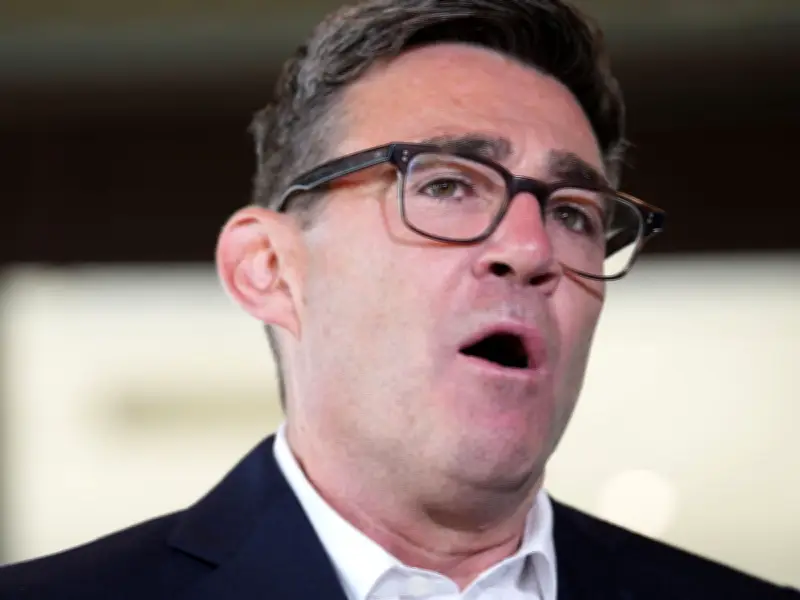
Incoming Prime Minister Andy Burnham has highlighted the frozen £12,570 tax threshold as a key issue he encountered on the doorstep during the Makerfield by-election campaign, hinting at potential change. A petition on the parliament website calling for an increase to £18,000 has soared to nearly 40,000 signatures, putting pressure on the new government to consider reform.
Petition Gains Momentum
The petition, which has almost 40,000 signatories, states: “Raise the personal tax allowance to £18,000. Since 2021 personal tax allowance has been frozen at £12,570. This freeze was due to expire this year but the Chancellor of the Exchequer has extended it to 2031. We want to keep some more of our own money.” If it reaches 100,000 signatures, it will be considered for a parliamentary debate.
In an interview with The Times, Burnham said the frozen allowance was “the thing I heard the most on the doorsteps” during the by-election campaign. The standard UK Personal Allowance has remained at £12,570 since 2021, meaning no income tax is levied on earnings below this level.
Treasury Response and Fiscal Cost
Previously, the Treasury responded to an earlier petition by stating there were “no plans” to raise the allowance to £18,000, citing a significant fiscal cost of over £40 billion per year. “Raising the Personal Allowance to £18,000 would reduce tax receipts substantially, decreasing funds available for the UK’s hospitals, schools, and other essential public services,” the Treasury said. “A £40 billion cut in public services is equivalent to slashing roughly a fifth of the NHS Budget in England, or around two thirds of defence spending.”
Chancellor Rachel Reeves last November extended the freeze on income tax thresholds until 2031, a move that will bring 920,000 people into the higher-rate tax band and 4,000 into the 45% additional rate by 2030, while forcing 780,000 people to pay income tax for the first time.
Impact of Fiscal Drag
The frozen threshold has led to ‘fiscal drag’, where inflation and wage increases push more people into paying tax. A Resolution Foundation analysis found that working-age households face an average reduction of approximately £500 in income over the next year due to the freeze. The lowest 10% of earners are disproportionately affected, with fluctuations in energy and fuel costs potentially causing an inflation rate nearly a percentage point higher than for higher-income households.
During a Westminster Hall debate, Liberal Democrat Daisy Cooper said: “The number of people who have signed it speaks to the strength of public feeling about this issue... I regard it as a cry for help, because right around the country there are struggling families gripped by a cost-of-living crisis.” Exchequer Secretary James Murray defended the government’s position, stating: “We were elected to put more money in people’s pockets and, crucially, we were elected to do so in a fiscally responsible way.”
Future of Tax Thresholds
It remains unclear who Burnham will appoint as Chancellor, with Rachel Reeves tipped to leave the post, and Shabana Mahmood and Ed Miliband among potential successors. The basic tax rate of 20% applies to earnings above £12,570, with higher earners facing 40% on sums exceeding £50,270 and 45% on income over £125,140. All thresholds have been frozen since 2021.
A previous petition to raise the allowance to £20,000 garnered 281,792 signatures earlier this year, triggering a Westminster debate where the Treasury estimated the cost at £50 billion. Campaigners view the high level of support as evidence of widespread public concern over the tax burden.




