

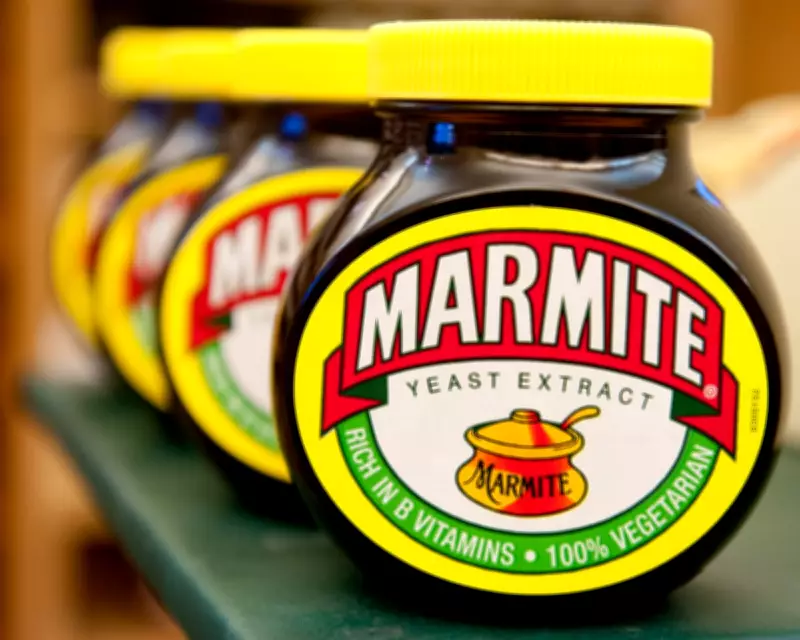
Unilever, the Anglo-Dutch conglomerate behind iconic brands such as Marmite, Dove, and Hellmann's mayonnaise, is currently engaged in discussions to combine its food business with the American spice and seasoning manufacturer McCormick. This potential merger could reshape the global consumer goods landscape, as Unilever seeks to pivot more aggressively towards beauty, personal care, and home products.
Strategic Shift Towards Personal Care
With a market valuation nearing £100 billion, Unilever's food division, which includes well-known names like Knorr, is considered a highly attractive asset, potentially worth tens of billions of pounds. In a recent statement, the company confirmed it has received an inbound offer from McCormick, valued at approximately $15 billion (£11 billion), and is exploring an all-stock deal. Unilever's board emphasized the strength of its food business, citing market-leading brands in growing categories, but cautioned that no transaction is guaranteed at this stage.
Focus on Beauty and Wellbeing
If the merger proceeds, it would mark a significant strategic realignment for Unilever, allowing it to concentrate on sectors such as beauty, personal care, and home care. Earlier this year, CEO Fernando Fernández highlighted this shift, stating, "We are really shifting our portfolio into more beauty, more wellbeing, more personal care." He pointed to global trends like urbanisation, wealth expansion, and increased female participation in the labour market as drivers favouring these categories.

Over the medium term, Fernández aims for two-thirds of Unilever's revenues to come from brands like Dove, Liquid IV hydration sachets, and Dermalogica skin care. This move would position the company to compete more directly with major players in the household and personal care industries, such as L'Oréal, Beiersdorf, and Estée Lauder.
Historical Context and Recent Divestments
Unilever's potential exit from the food sector follows a series of divestments over the past decade. In 2017, the company sold its spreads business, which included Flora and I Can't Believe It's Not Butter. Most of its tea operations, featuring Lipton, PG Tips, and Tazo, were offloaded in 2022, and last year saw the spin-off of its ice-cream division, home to Ben & Jerry's, Magnum, and Wall's. Additional brands like The Vegetarian Butcher and Graze have also been disposed of.
This week, reports surfaced that Unilever had previously held talks with Kraft Heinz to combine their food operations, indicating ongoing efforts to streamline its portfolio. A deal with McCormick could effectively end Unilever's nearly century-long competition with major food rivals, including Kraft Heinz, Nestlé, and PepsiCo.
Future Acquisition Strategy
Despite exploring significant deals in recent years, such as an approach for GlaxoSmithKline's consumer health unit in 2021, Unilever has now shifted its focus. In December, Fernández stated that the company is only pursuing small "bolt-on" acquisitions in the beauty and personal care space, ruling out transformational acquisitions for the time being. "Transformational acquisitions are off the table. So we are not looking at that at this stage," he affirmed.
Investors responded positively to the news, with Unilever's shares rising more than 1% in early trading on Friday, reflecting optimism about the potential merger and strategic refocus.






