
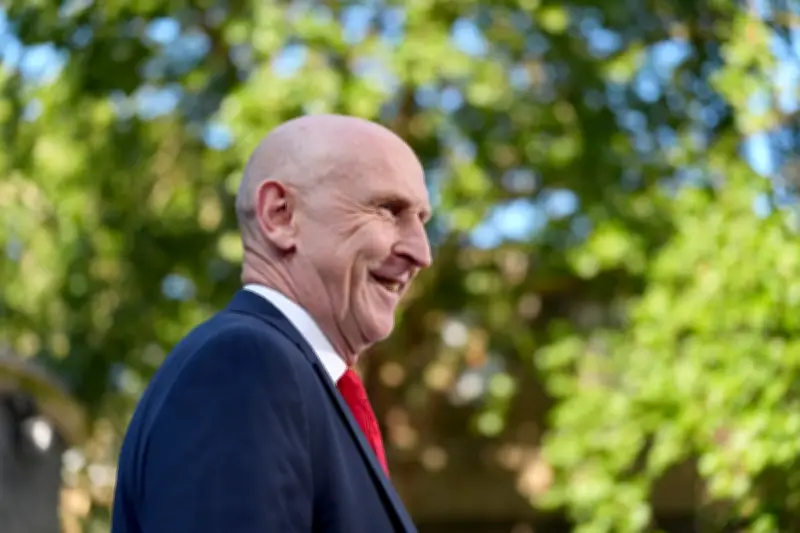
UK Government borrowing fell by a third in June, a larger decline than forecasters predicted, providing early relief to John Healey on his first day as Chancellor, according to official figures from the Office for National Statistics (ONS). Public sector net borrowing reached £16 billion in June, representing a 33.1% decrease compared to the same month last year. This figure came in £300 million below the Office for Budget Responsibility’s (OBR) forecast and £2 billion less than most economists had anticipated.
Drivers Behind the Decline
The primary factor behind the lower borrowing was reduced inflation-linked debt interest costs relative to the previous year. Debt interest costs in June totaled £11.8 billion, which was 31% less than the same month in 2023, though still the fourth highest June on record. This volatility is largely attributed to gilts, or UK government bonds, linked to the retail prices index (RPI) inflation.
New Chancellor's Response
John Healey, appointed Chancellor by new Prime Minister Andy Burnham on Monday, responded to the data by emphasizing fiscal discipline. He stated that “fiscal control” is his “first duty” as Chancellor and that “fiscal credibility is the bedrock for economic stability and for national security.” He added, “The Prime Minister and I have talked about how we will work in lockstep to meet the fiscal rules with a buffer against uncertainty and how we’ll make life more affordable for working people right across the UK.”
Borrowing in Context
Between April and June, borrowing stood at 1.9% of the UK’s gross domestic product (GDP), marking the 10th highest period since comparable records began in 1993. Despite the monthly improvement, the overall debt burden remains elevated, with debt interest costs still among the highest on record.




