
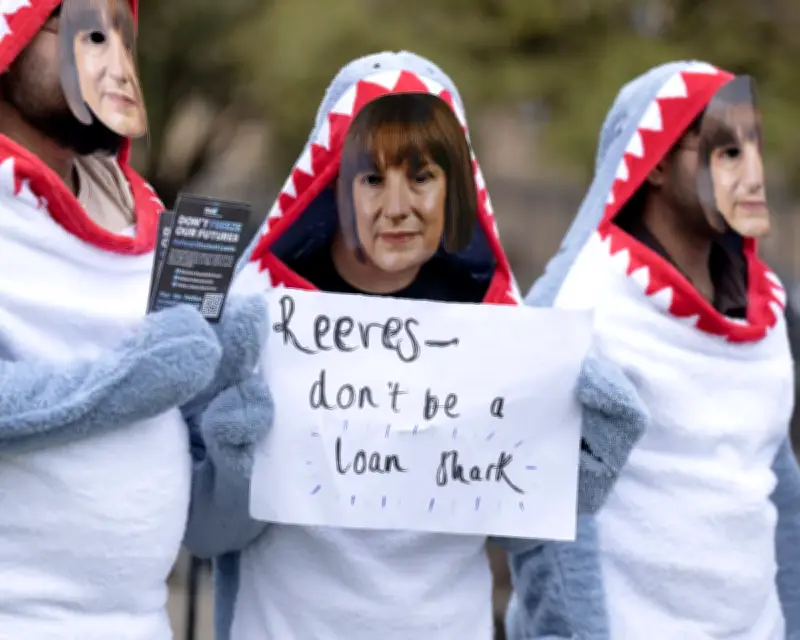
The Treasury select committee has concluded that the government's promotion of student loans in England and Wales constituted mis-selling, citing misleading slideshows, YouTube videos, and an opaque application process. The committee also stated that ministers have a moral obligation to reverse last year's decision to freeze the repayment threshold on plan 2 loans.
Misleading Promotion and Omitted Terms
The committee highlighted three key instances of mis-selling. First, YouTube videos and slides used by the government did not disclose that loan terms and conditions could be changed retrospectively. Second, promotional material compared monthly repayments to the cost of a mobile phone contract, which was inaccurate for higher earners. Third, the Student Loan Company failed to make it sufficiently clear during the loan application process that the government could alter terms and conditions after the loan was taken out.
The report, published on Tuesday, notes that successive governments have "taken the politically convenient option of loading burdens on to younger generations, hoping that they will not notice until future years."
Background on Plan 2 Loans
Plan 2 loans apply to students from England who started university between September 2012 and July 2023, and students from Wales who started between September 2012 and the present day. When first announced in 2010, the government stated the £21,000 earnings threshold would be uprated annually in line with earnings from 2016. However, it was frozen from 2016 to 2018 and again from 2021 to 2025.
Last year, Chancellor Rachel Reeves announced that the repayment threshold on plan 2 loans would be frozen at £29,385 for three years from April 2027. Above this salary, graduates must repay 9% of anything they earn. The freeze means any pay increase is not protected from the rising cost of living.
Impact on Graduates
The committee survey received over 52,000 responses, with more than half saying they had not understood the terms and conditions before taking out their loan. One respondent called the repayments "a tax on ambition." The Guardian has reported on cases where students owe tens of thousands of pounds and, due to high interest rates, their debt has increased every month even as they make repayments.
In April, the government announced a cap on loan interest rates at 6%, but has so far resisted calls to unfreeze the repayment threshold.
Committee Chair's Statement
Treasury committee chair Meg Hillier said it was unusual for the committee to agree that a specific budget measure must be reversed. "Our report is a signal to the Treasury and the Department for Education that this can no longer be ignored," she said. "Patience has run out." Hillier described reversing the threshold freeze as "a modest change that would not eat up vast resources" and said it would "go a long way to repairing the damage done to the trust between graduates and those responsible for overseeing the student loans system."
Government Response
A government spokesperson said the committee's report was an "important contribution to the debate on improving the student finance system, and lays bare the confused, and broken system inherited." They added that ministers are looking for ways to make the system fairer in a financially sustainable way and will respond to the committee in due course. "It is vital students are given clear and accurate information so they can make informed decisions about their future and we are working closely with the Student Loans Company on communications to students," they said.




