
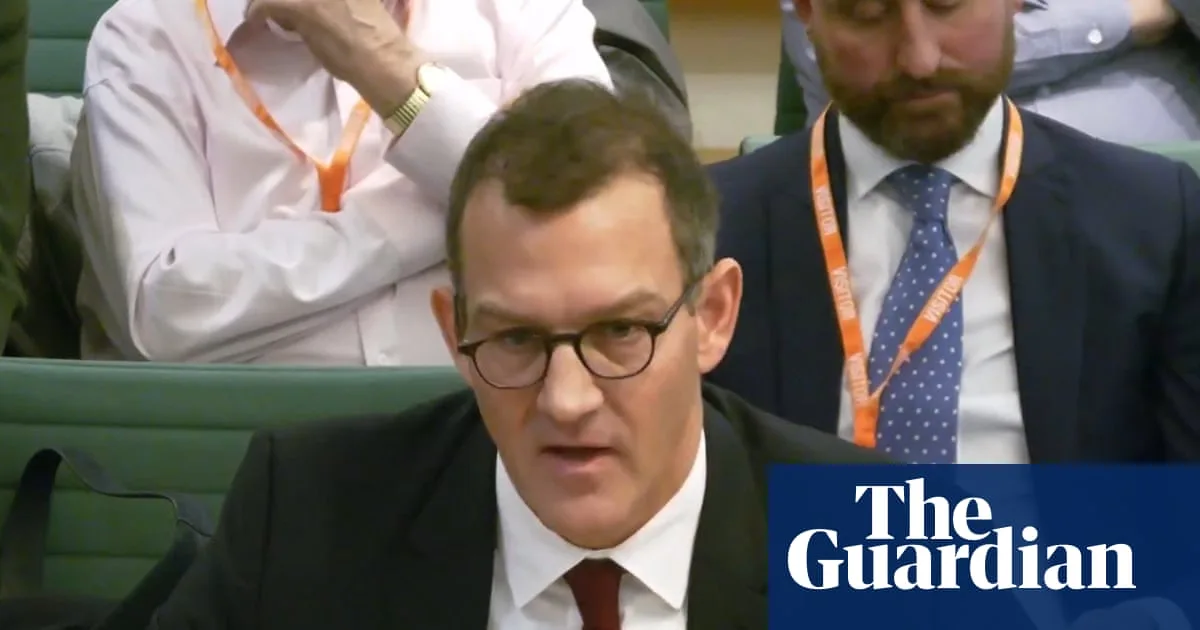
Daniel Křetínský, the Czech billionaire who acquired Royal Mail's parent company for £3.6bn last year, has pushed back against claims that service has declined under his ownership. In a combative appearance before the business select committee, he expressed regret for late deliveries but argued the company is meeting expectations that no other European postal service could fulfil.
Křetínský said he was 'deeply sorry' for any letters arriving late, but blamed the UK's high expectations for fast, low-cost delivery. He noted that first-class stamps now cost £1.80, up from £1.70, and that 16m Christmas letters were delivered late. However, he insisted the service has not declined, pointing to external factors such as staff sickness and the sheer difficulty of delivering a letter from Brighton to the Scottish Highlands for £1.80 the next day.
The owner highlighted that in Italy, a first-class stamp costs €5.50 (£4.76) and regulators require only 80% on-time delivery. From next week, Ofcom will reduce Royal Mail's targets: first-class mail must be delivered within one working day 90% of the time (down from 93%), and second-class within three days 95% of the time (down from 98.5%). Royal Mail is currently missing even these relaxed targets.
Committee chair Liam Byrne accused the company of prioritising more profitable parcels over letters, citing postal workers' testimony. Křetínský denied this was policy, though he admitted it might happen during crises to clear backlogs. He also argued it is unfair for Royal Mail to compete with parcel firms that offer lower wages and fewer employment benefits, and called on the government to improve conditions for parcel drivers across the industry.




