

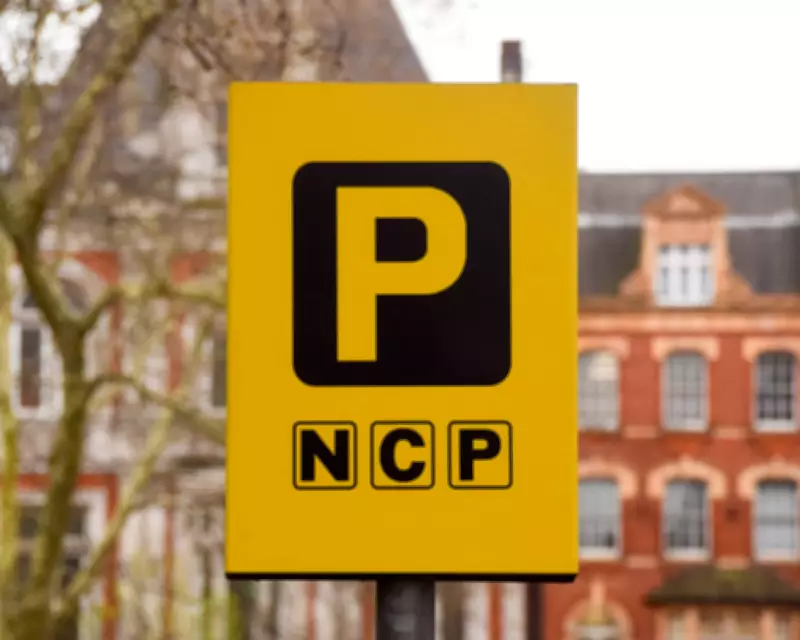
NCP Car Parks Collapses into Administration Amid £305m Debt and Changing Driver Habits
National Car Parks (NCP), one of the UK's largest car park operators with a history dating back to 1931, has filed for administration at the High Court in London. The company, which operates 340 car parks across the UK, is buckling under a £305 million debt burden, casting uncertainty over the future of these sites and the jobs of 682 employees.
Historical Legacy Meets Modern Struggles
NCP's origins trace back to London's World War II bomb sites converted into parking lots. Over the decades, it passed through various owners, including the defunct US conglomerate Cendant, private equity groups Cinven and 3i, and the Australian bank Macquarie. In 2017, Japanese firm Park24 and the Development Bank of Japan acquired NCP for £450 million from Macquarie, which had loaded the operator with £450 million of debt during its 2007 takeover.
Despite efforts to modernise, including new developments and cost-cutting measures like job reductions, NCP has faced structural losses. The company's directors called in administrators from PwC due to cash shortages and an inability to secure further funding, with significant rent payments looming at the month's end.

Drivers Shift Habits and Complaints Mount
Administrators attribute NCP's downfall to "continued shifts in commuting and customer driving patterns," exacerbated by the rise of working from home since the pandemic. Additionally, long-term, inflexible leases exceeding 10 years hindered cost reductions and exits from loss-making sites. Park24 noted that rents linked to inflation soared after Russia's invasion of Ukraine in 2022, further straining finances.
Motorists have long criticised NCP for high parking charges, fines, and poor service, with complaints about lack of security at locations like the once-glamorous Brewer Street car park in Soho, which once hosted London Fashion Week. Competition has intensified from rivals such as Germany's Apcoa, Dutch firm Q-Park, France's Indigo, and the UK's Euro Car Parks.
Financial Turmoil and Public Sector Impact
NCP's financial woes have deepened over recent years. Losses narrowed to £5.7 million in the year to September 2025, from £10.1 million and £27.1 million in prior years, as sales rose 6.4% to £233 million. However, cash flow tightened, and lenders lost patience. The company previously avoided administration in 2021 through a restructuring that wrote off arrears and cut rents.
The collapse affects public sector contracts, with NCP having earned £47 million from deals with NHS trusts since 2012. Active contracts now include Abellio Greater Anglia, Birmingham Women's and Children's Hospitals NHS Foundation Trust, Luton Borough Council, and the Home Office. In 2022, NCP lost its Transport for London car parks contract to Spanish rival Saba.
Future Prospects and Brand Loyalty
PwC administrators are exploring options, including a sale, with all car parks remaining open for now and staff retained. Nick Stockley, a partner at law firm Mayo Wynne Baxter, suggests profitable sites at airports and stations may continue as parking venues under new owners, saving some jobs. Other prime real estate locations could be redeveloped into flats.
He notes, "It is unlikely that there will be any value in the NCP brand name. I don't think there's brand loyalty in a car park brand. People are interested in location." Park24 plans to restructure its UK business via subsidiary T24 UK, focusing on 100 smaller car parks with shorter leases, expecting losses for several more years.
This marks the end of an era for NCP, highlighting broader challenges in the automotive and parking industries as consumer habits evolve post-pandemic.






