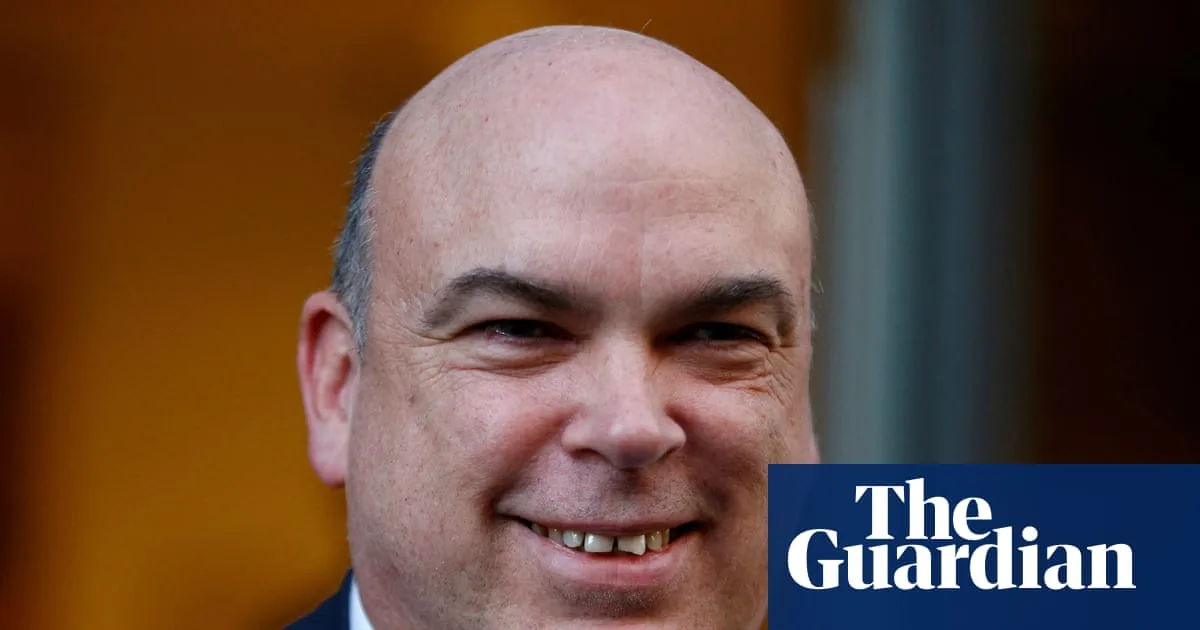
Mike Lynch Estate Ordered to Pay Nearly £1bn to HP After Losing Appeal Bid
Lynch Estate Must Pay HP £1bn After Court Rejects Appeal

The estate of British technology entrepreneur Mike Lynch has been dealt a significant legal blow, with a High Court judge refusing permission to appeal a ruling that holds it liable to pay Hewlett-Packard Enterprise (HPE) almost one billion pounds. This decision stems from the long-running and contentious fraud case related to HP's 2011 acquisition of the software company Autonomy.

Court Rejects Appeal Bid Over Fraud Judgments

In a ruling delivered on Tuesday, Mr Justice Hildyard firmly rejected the estate's application to challenge two of his prior judgments. The first, issued in 2022, concluded that Hewlett-Packard had "substantially succeeded" in its fraud claim against Mr Lynch concerning the Autonomy deal. The second, from July of the previous year, determined that HPE suffered losses amounting to approximately £700 million as a direct result of the transaction.

A spokesperson for Hewlett-Packard Enterprise stated that the company has been awarded damages and interest totalling around £0.93 billion (1.24 billion dollars) from Mr Lynch's estate. During a hearing in November, HPE's barristers argued the estate's liability stood at a staggering £1.35 billion (1,786,668,553 dollars), which includes roughly £578 million in accrued interest.

Wide Pickt banner — collaborative shopping lists app for Telegram, phone mockup with grocery list

The Background of the Autonomy Acquisition Dispute

The legal saga originates from HP's monumental $11.1 billion (£8.2 billion) purchase of Cambridge-based Autonomy in 2011. Shortly after the acquisition, HP announced an $8.8 billion write-down of the firm's value, alleging it had been misled about Autonomy's true financial health.

HP subsequently launched a civil fraud lawsuit against Mike Lynch, seeking around $5 billion (£3.79 billion) in damages. The case culminated in a landmark nine-month trial in 2019, which was considered the UK's largest civil fraud trial at the time. HP contended that Mr Lynch had systematically inflated Autonomy's revenues and "committed a deliberate fraud over a sustained period of time."

In his 2022 judgment, Mr Justice Hildyard found that Autonomy, founded by Mr Lynch, had not accurately represented its financial position during the sale process. However, he also noted that even with accurate information, HPE would likely have still proceeded with the acquisition, albeit at a significantly reduced price.

Legal Arguments and the Path Forward

The legal teams presented starkly contrasting views in their written submissions for the November hearing. Representing HPE, Patrick Goodall KC asserted that Mr Lynch had "not only perpetrated an enormous fraud, but lied about it at every stage." He argued that an appeal "aimed at escaping the consequences of that fraud" should not be permitted to proceed.

In defence of Mr Lynch's estate, Richard Hill KC countered that the £578 million interest claim was an "excessive sum ... based on a flawed analysis." He maintained that the estate should be allowed to appeal, claiming the judge "erred in law" and that there existed a "compelling reason for allowing the appeal to be heard."

Despite the High Court's refusal, the estate retains the option to apply directly to the Court of Appeal for permission to challenge the rulings. This legal avenue remains open, potentially prolonging this complex and high-stakes litigation.

Tragic Circumstances and Lasting Impact

The case took a tragic turn in 2024 when Mike Lynch, aged 59, perished alongside his 18-year-old daughter Hannah and five others in the sinking of his yacht, the Bayesian, off the coast of Sicily. His death transformed the proceedings into a matter for his estate.

This ruling underscores the severe financial and legal repercussions of the Autonomy acquisition, a deal that has haunted HP for over a decade and stands as one of the most notorious in British corporate history. The outcome reinforces the judiciary's stance on corporate fraud and accountability, setting a significant precedent for future high-value commercial disputes.

Pickt after-article banner — collaborative shopping lists app with family illustration




