
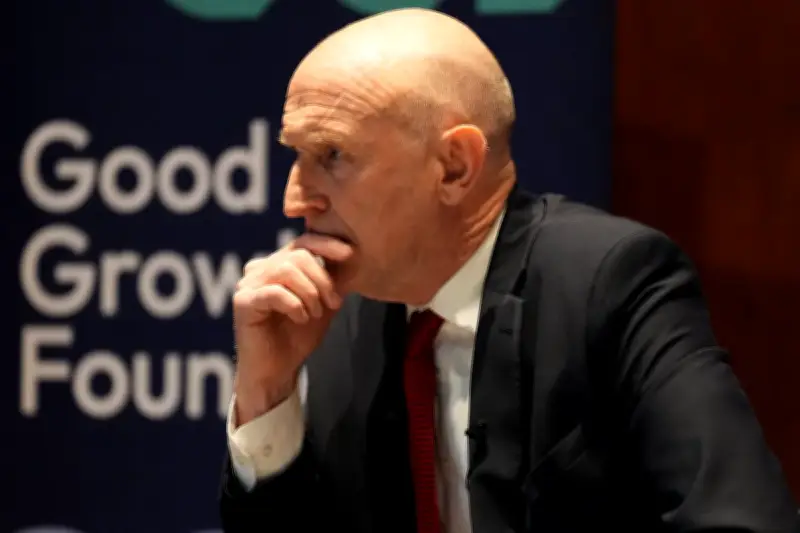
John Healey Appointed Chancellor Amid Market Caution
Government borrowing costs rose and the pound weakened on Monday as City traders reacted cautiously to the appointment of John Healey as the next Chancellor of the Exchequer. Prime Minister Andy Burnham named the former defence secretary in a surprise move, after speculation had favoured Shabana Mahmood or Ed Miliband for the role.
The yield on 10-year UK government bonds, known as gilts, increased by eight basis points to 5.049% at the close of London trading, marking the highest level in approximately two months. Bond yields rise as prices fall, indicating reduced investor confidence.
Market Reaction to Fiscal Flexibility Comments
Financial markets had been largely steady earlier in the day after Burnham officially became Prime Minister. However, sentiment turned negative during the afternoon after Burnham told reporters he would use “any flexibility” he could find within existing fiscal rules. He later clarified that he would “stick to the fiscal rules” agreed by Sir Keir Starmer’s administration and would not be “taking risks with the economy.”
The rise in gilt yields reflects increased borrowing costs for the UK government, which could impact public spending plans. The pound also weakened against major currencies as uncertainty grew over fiscal policy direction.
Healey Takes Over from Rachel Reeves
Rachel Reeves confirmed she had left the role of chancellor as part of Burnham’s Cabinet reshuffle. Healey now faces the challenge of steering the UK economy through a period of weak growth, high state borrowing, and elevated national debt—the highest since the 1960s. The labour market also continues to face pressure.
According to analysts, the new Chancellor will need to balance fiscal discipline with the need for investment to stimulate growth. The market’s reaction underscores the sensitivity of UK debt markets to political and fiscal signals.




