
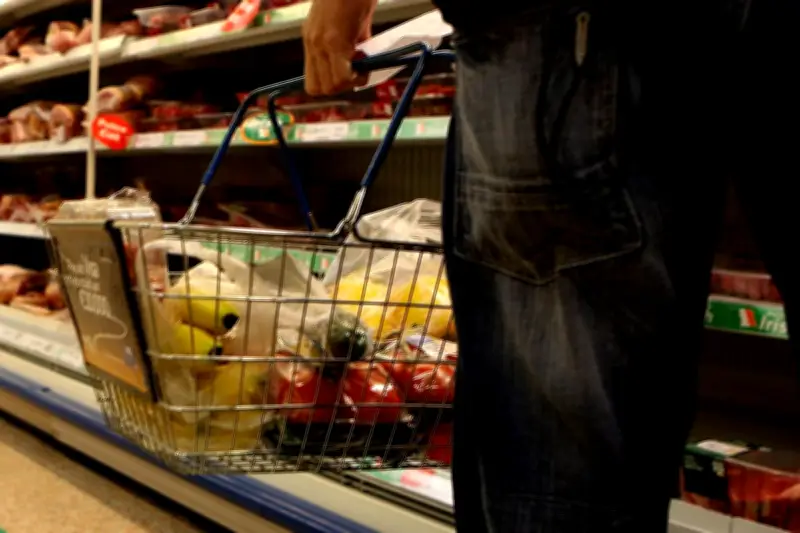
Grocery price inflation has slowed to its lowest rate since December 2024, with supermarket prices rising 2.6% year-on-year in the four weeks to July 12, down from 3% in June, according to Worldpanel by Numerator. This marks the fifth consecutive month of easing price growth, though the average household's annual grocery bill remains £156 higher than a year earlier.
Annual grocery bill still climbing
Fraser McKevitt, head of retail and consumer insight at Worldpanel, said: “Easing price rises will come as welcome news to shoppers, but the annual bill tells a fuller story. The average household spent £5,530 on groceries over the past 12 months to July, up £156 on the same period last year – a reminder that even as the rate of inflation cools, the cumulative cost of the weekly shop keeps climbing.”
Despite higher costs, shoppers made 497 million trips to the supermarket over the four weeks – an average of 17 per household – the highest figure since March 2020. The surge was driven by the World Cup and a heatwave, with trips including beer or cider purchases rising 8% year-on-year and no- and low-alcohol category sales up 10%.
Heatwave boosts summer staples
As another heatwave hit, household spending on burgers rose 25%, frozen lolly sales increased 17%, and bottled water sales soared 23%. Wimbledon fortnight saw £77 million spent on strawberries and £21 million on cream.
Mr McKevitt added: “Sport and sunshine combined to shape shopping habits this month, and England’s run in the tournament had a clear impact on the drinks aisle. With shoppers stocking up on match day, and the day prior to the first three knockout matches, spending on beer rose 21% compared with the same days last year. That enthusiasm wasn’t shared in Scotland and Wales, however, where the comparable rise was just 2%.”
Lidl leads market share gains
Lidl’s market share rose 0.5 percentage points over the last quarter, the largest gain among grocers, as sales at the discounter grew 8.6%. Morrisons returned to share growth, claiming 8.5% of the market with sales up 3.5%, while Co-op sales increased 5.6% – the fastest rate since February 2021.
Sainsbury’s gained market share from 15.1% to 15.2% in the last 12 weeks, with sales up 2.8%. Tesco sales rose 1.7%, maintaining a 27.9% market share. Asda sales fell 1.1% year-on-year, an improvement from the 3.6% drop reported last month.




