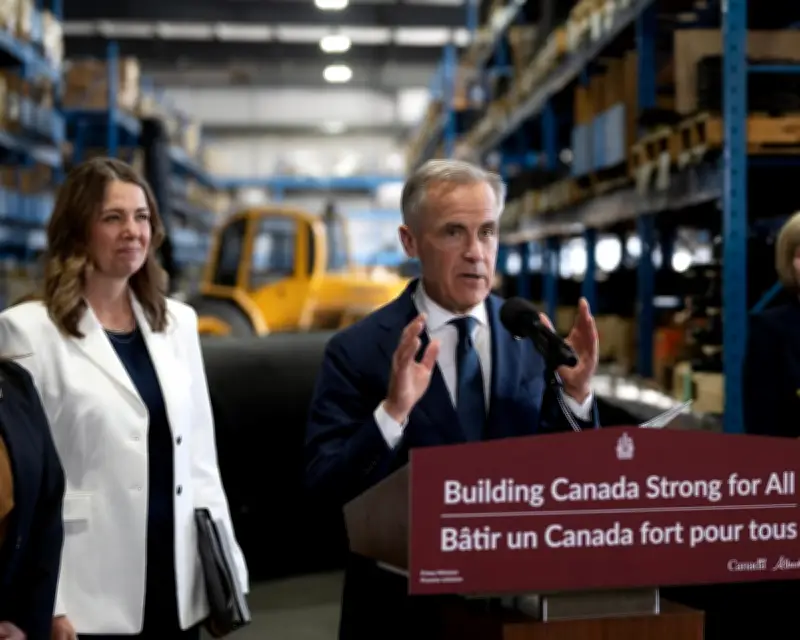
Canada and Alberta will proceed with a major new oil pipeline after announcing more than C$150bn in investments to address concerns from British Columbia and First Nations. The project is part of a broader effort to reduce trade dependence on the United States and expand into overseas markets.
Pipeline Route and Capacity
The pipeline will follow the existing Trans Mountain route before diverting to a new terminal, transporting 1 million barrels per day, according to the Alberta government. Prime Minister Mark Carney said Canada and Alberta would be “equal partners” in the project, with “a meaningful ownership stake for Indigenous communities.” Consultations with Indigenous groups, provinces, and territories will begin immediately.
Investments and Safeguards
Carney announced billions for a Vancouver port expansion, power infrastructure for a new LNG terminal, and protections for the endangered southern resident killer whale. The federal ban on tanker traffic off British Columbia’s north coast will remain, a key demand from First Nations. Alberta Premier Danielle Smith, who previously advocated a northern route requiring the ban’s removal, said the southern route is “the fastest, most cost-effective path to expanding Canada’s energy exports.”
Reactions from Leaders and Groups
British Columbia Premier David Eby said his government would not fight the pipeline after losing a court battle over the Trans Mountain expansion, noting residents would be “fairly compensated for the environmental risks.” Marilyn Slett, president of the Coastal First Nations, called the announcement a “good day” due to the tanker ban’s retention, stating, “Protecting our coast is not a barrier to economic prosperity, it is the source of it.” The Climate Action Network warned that expanding fossil fuel production amid climate chaos is “simply dangerous.” Chris Severson-Baker of the Pembina Institute noted that taxpayers will shoulder 90% of the project cost, likely tens of billions, questioning the economic viability.