
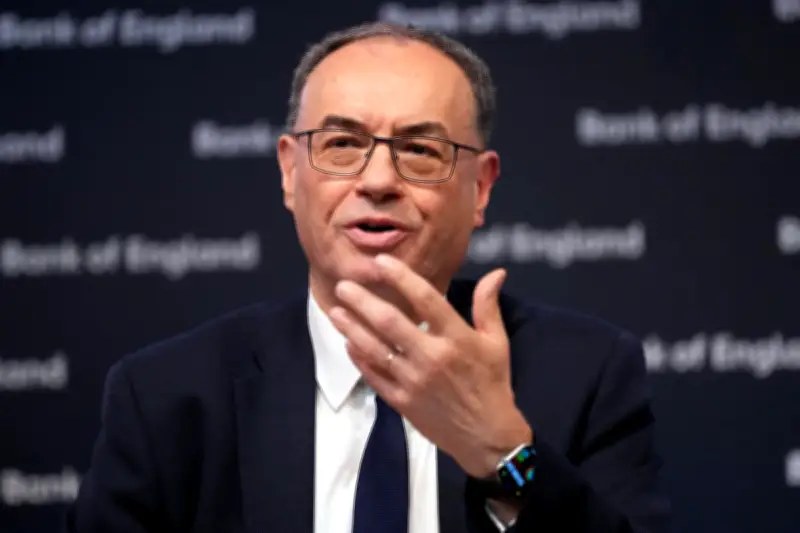
The Governor of the Bank of England has defended the institution's government bond-selling programme against criticism that it is costly to taxpayers, including from Reform UK leader Nigel Farage.
Andrew Bailey's Defence
Andrew Bailey said the process of offloading debt was giving the Bank capacity to defend against future economic shocks. Writing in The Times newspaper, the Governor stated that quantitative easing (QE) did its job by protecting jobs, boosting spending, and supporting the economy during crises.
Quantitative Tightening Explained
The Bank of England purchased hundreds of billions of pounds worth of bonds after the 2008 financial crisis to stimulate the economy. Three years ago, it began selling those bonds through quantitative tightening (QT), which has been running at a target of £100 billion annually, now reduced to about £70 billion a year. The Bank sells bonds back to investors at lower prices than it paid, with the Treasury covering the losses.
Criticism and Response
Nigel Farage's Reform UK party has criticised the process, arguing it causes significant taxpayer losses and has pledged to save tens of billions by stopping interest payments on central bank deposits and halting QT. However, Mr Bailey noted that the Government has sent around £108 billion to the Bank since late 2022, but received early £124 billion in previous years when the Bank profited from the programme. He emphasised that recent reports indicate the overall cost of QE and QT operations is broadly neutral, and arguments that slowing or stopping QT would shield against losses are misconceptions.




