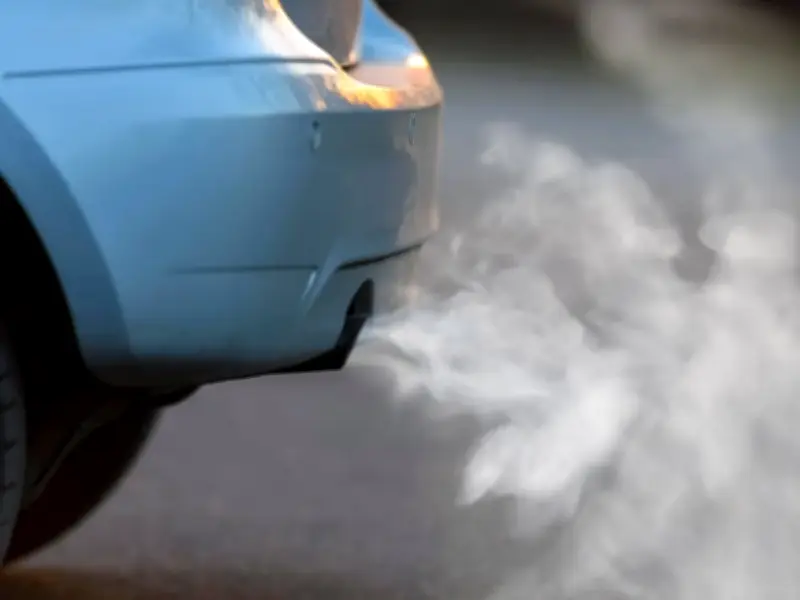
Drivers in Wales now face significantly higher fines for unnecessarily leaving their engines running, with penalties rising from £20 to between £75 and £150 from today. Local councils will decide where within that range to set their fines.
New penalty range and purpose
The Welsh Government says the change is aimed at improving air quality and reducing emissions, particularly around schools, hospitals and other areas where vulnerable people may be affected. Rule 123 of the Highway Code advises drivers to switch off their engines when stationary and likely to remain stopped for more than a couple of minutes.
However, a Welsh Government survey found only around a third of people knew engine idling could be an offence. Enforcement officers must first ask drivers to switch off their engines. If they comply or drive away, no fine can be issued. A penalty can only be given if the driver refuses.
Vehicles covered and exemptions
The rules apply to petrol, diesel and hybrid vehicles, including taxis. Electric vehicles are not covered because they produce no exhaust emissions while stationary. There are also circumstances where drivers can leave their engines running without being fined.
The Welsh Government says every minute of idling produces harmful pollutants and claims 30 seconds of idling can create nearly twice as much pollution as switching off and restarting the engine. It says air pollution remains a serious health and environmental concern, particularly for children, older people and those with existing health conditions.
Reader reactions
Commenter Paul L points out: “It's not a new fine - the maximum has increased. It applies from today to drivers in Wales who are found to have left their vehicle engine running unnecessarily, commonly referred to as idling. The penalty has risen from £20 to a maximum of £150.”
Phil H replies: “Serious question: how many people were actually fined under the previous system? It’s all very well introducing new rules and bigger fines, but if they’re rarely enforced, what difference will they actually make? It’s the same with dog mess. We constantly hear about fines and enforcement, but how many people are actually caught and fined? Surely the real issue is whether councils have the resources and willingness to enforce the rules, rather than simply increasing the penalties.”
Johnny U adds: “It’s about time the Senedd started taking air quality seriously, particularly in town centres and outside schools. Let’s just hope the new laws are actually enforced, because without proper enforcement, the law is toothless.”
Hazel S says: “I’m all for improving air quality and reducing emissions, but surely the same scrutiny needs to be applied to major developments like data centres? Why not tackle that first before hitting motorists?”
Peter A agrees: “The hypocrisy! How about being transparent and honest with people? If you're serious about protecting the environment, start by looking at those spraying chemicals across the UK all summer. The potential harm to our health, wildlife and farmland is enormous.”
Gary R writes: “With petrol and diesel at today's prices, I'm amazed anyone is driving anywhere!”
Vicky J suggests: “Well, why not bring back school buses? It would mean far fewer cars needing to go to the school in the first place.”
James C says: “This will be fun, especially on a heavy frost when the windows freeze over again the moment you scrape them, even after using deicer. Then you’ve got the inside heavily misted up, and the only way to clear everything properly and get the visibility required by law before driving is to run the engine so the heating or air con can clear the windows. So whichever way you do it, you can’t win.”
Harry B wonders: “If idling carries a £150 fine, what about Cardiff Council and its roadworks that leave the city gridlocked every day? Surely traffic jams also create unnecessary emissions. Maybe the council should be fined too?”
The Welsh Government also says 80% of people believe stationary idling is unacceptable. The new fines take effect from today, with councils responsible for setting the exact penalty amount within the new range.