Ministers will this week announce financial support for terminally ill Scots struggling to pay soaring gas and electricity bills, marking a major campaign victory for the Sunday Mail.
A shocking 7,700 dying patients have been plunged into fuel poverty in recent years, according to end-of-life charity Marie Curie. Victims often rely on essential medical and mobility equipment in the home and can need extra heating to manage pain, respiratory issues, and other clinical symptoms.
Campaign victory
The Sunday Mail’s Lifeline for the Dying campaign has demanded an end to the scandal and we have backed watchdog Consumer Scotland’s recommendations for payments of up to £450 to help cover energy costs.

It can now be revealed First Minister John Swinney’s Programme for Government - which will be unveiled on Tuesday - will commit to “delivering financial support for people with electricity costs relating to life-saving equipment in people’s homes and further support the energy costs of those with a terminal illness”.
Cabinet Secretary for Social Justice and Housing Shirley-Anne Somerville said: “We promised at the election that we would help with the energy costs of people who need lifesaving equipment and those who are terminally ill.
“The Sunday Mail and the people of Scotland backed that plan at the election and we will now deliver it in government. The Programme for Government turns our election pledges into government action and will commit the SNP government to delivering this support.”
Case highlighted
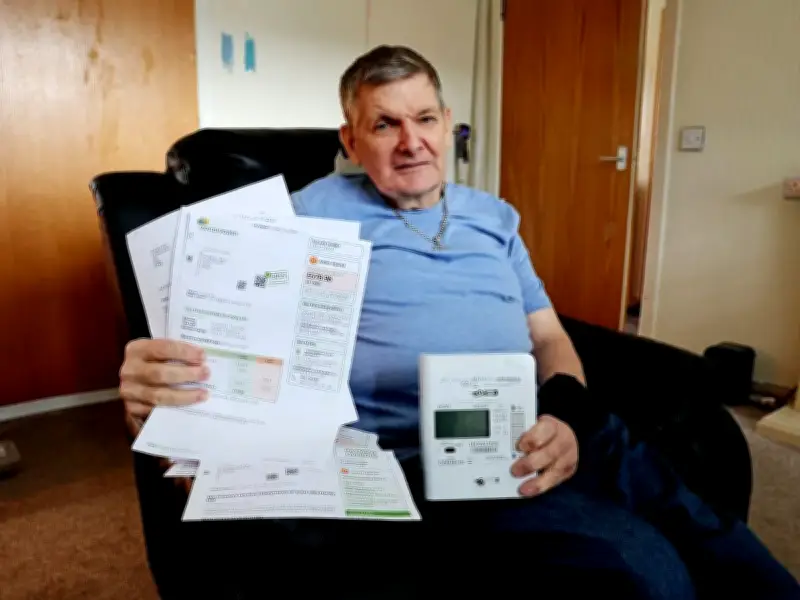
We highlighted the case of bone cancer sufferer Robert Walsh who was aggressively pursued by Scottish Power after falling into debt, leaving him suicidal. Robert, who is housebound, on benefits and awaiting an operation, had become frightened to answer the phone because of the pestering.
The 65-year-old, from Stirling, received several final demand letters for different amounts, repeated calls and was even threatened with legal action over an alleged 38p energy debt. But after we highlighted the case, ScottishPower agreed to wipe it.
However, there are thousands more Scots who have been left desperate through the last days of their life because of demands they can’t pay, with many resorting to turning off heating. Specialist medical equipment like ventilators often result in bills that are up to 75 per cent higher than the average household.
Support options
Consumer Scotland has produced a detailed report outlining proposals which could provide the most in need with help to pay fuel bills at a maximum total cost to the public purse of just £6million.
The Marie Curie charity and the mum of a severely disabled teen have backed our campaign. Carolynne Hunter’s daughter Freya, 15, receives palliative care, has cerebral palsy and requires full-time oxygen from an at-home life support machine, resulting in soaring electricity consumption. The mum’s plight was highlighted in 2023 when actress Kate Winslet donated £17,000 to cover her annual bill.
The 52-year-old, of Tillicoultry in Clackmannanshire, said: “Nobody should be forced into poverty because they fall ill and fuel bills are one of the most likely things to wreck your finances.”
After we launched our campaign in March, all of Holyrood’s main opposition parties backed the launch of an urgent financial aid scheme. Ministers will now begin consultation on how to deliver the policy.
Consumer Scotland has assessed two potential routes for targeted support through Social Security Scotland. The preferred option is for eligible people to receive a bespoke payment providing a Minimum Guaranteed Offset of £450 to address additional essential energy costs. This approach is estimated to cost £6million a year, while a second option, which would provide around £300 through expanding existing benefits, would cost the public purse £4million.