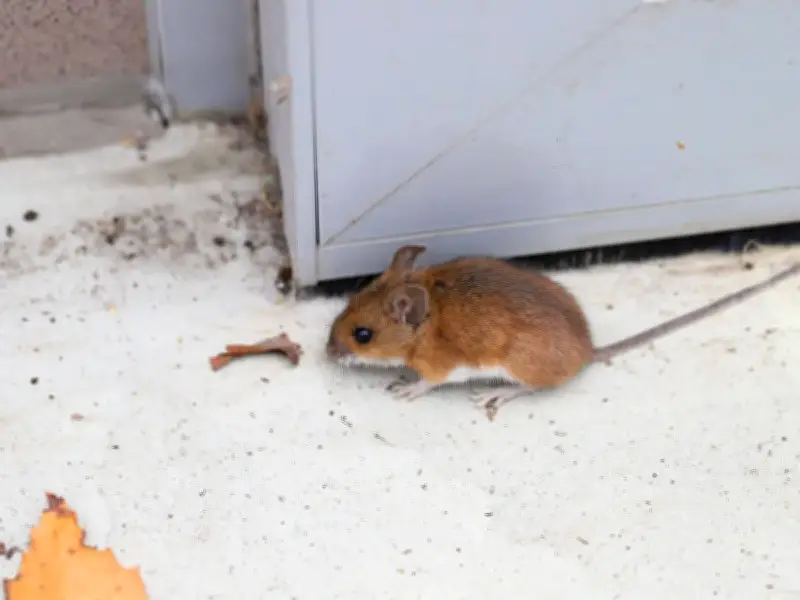
As temperatures drop, rodents are more likely to venture indoors in search of warmth and food, but a property expert has shared four quick five-minute jobs to help prevent an infestation. Jamie Jones, a property and garden expert at Open Space Concepts, has revealed simple steps homeowners can take to ward off a potential rat or mouse problem without resorting to poisonous pellets or harsh traps.
Install chicken wire and grow herbs in your garden
The garden is the ideal starting point, as rodents typically first target crops or accessible food in bird feeders before eventually finding their way indoors. Jamie said: "Any outdoor spaces also need to be protected from rodents and other pests, as they can negatively affect your lawn and any crops. Adding sturdy fencing and chicken wire is a great way to deter rodents from even entering your garden."
He added: "It is also a good idea to add netting or a chicken wire fence around any pergolas or outdoor seating areas to stop pests from entering these areas." A natural remedy for keeping rats at bay is to plant strongly scented flowers and herbs, since rodents have highly sensitive noses that are easily put off by certain aromas.
Jamie said: "Additionally, adding netting around any fruit trees or vegetable crops can help protect them from animals. Planting repellent plants, such as lavender, mint, and rosemary, will also help to deter rodents and other pests."
Store food properly and keep it sealed
Rodents venture indoors in search of winter provisions and will remain wherever there's a reliable food source. Ensure food isn't left exposed on worktops, rubbish bags aren't left sitting around for too long, and any crumbs on the floor are cleared up each day.
Jamie said: "If you keep food in drawers and cupboards, make sure that any bags of produce, such as rice and potatoes, are sealed using a clip or put into an airtight container. Furthermore, make sure other foods, such as bread and cheese, are securely stored and not left out for rodents to get at."
Block up any gaps and openings in your property
Mice can squeeze through spaces roughly the width of a pencil, while rats can slip into openings approximately the size of a two-pence penny, making it crucial to inspect your home for any tiny cracks they might be using as entry points. Jamie said: "The first step you should do is to inspect both your home and any garden rooms you may have for gaps and holes; rodents and insects can creep through the tiniest of crevices."
He added: "This may involve needing to reseal around windows, adding rubber seals to exterior doors, and in some cases plastering up gaps in walls." Be sure to examine spaces beneath doors or around window frames, and don't forget to check roof vents, gutters and chimneys, as rodents can enter attics through these routes.
Use essential oils and houseplants as repellents
Rodents possess heightened sensitivity to particular scents, meaning essential oils or strategically placed houseplants could prove effective in deterring them. Pungent aromas can help disguise the smell of food and may lead rodents to sense danger if they cannot identify the source of an unfamiliar strong odour.
Jamie said: "Essential oils, including peppermint oil and lemon oil, and plants such as lavender and bay leaves will help to deter rodents; aroma diffusers and essential oils are affordable and have plenty of added benefits aside from keeping rodents away." Bear in mind that some essential oils and houseplants can be extremely toxic to pets, so ensure you conduct thorough research before introducing them into a household with animals.
When prevention isn't enough
Should you encounter multiple rodents in your property or notice them appearing regularly, it's advisable to contact a pest control service for guidance, as you could be dealing with an infestation. Jamie said: "Even with all these tips and tricks, pests may remain and still be successful in gaining access to your home. At this point, it is likely that you'll need to bring in the professionals. Pest exterminators may be able to find issues you couldn't and are likely to have more specialist equipment."