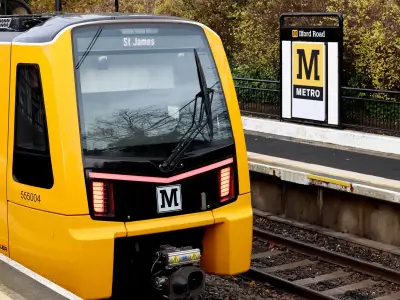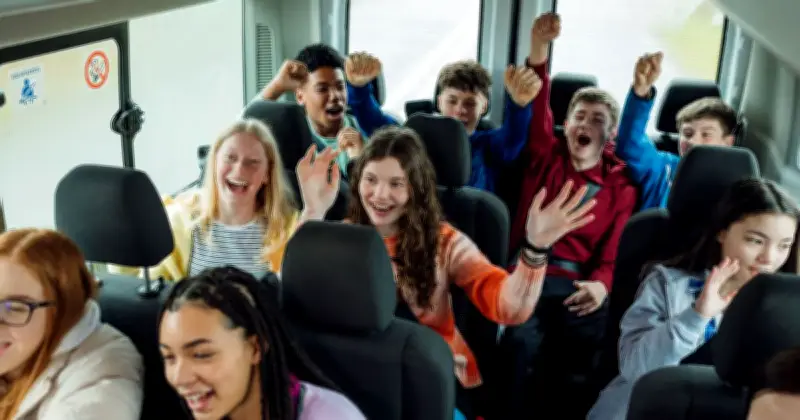
The government has confirmed that the national Kids Go Free bus scheme will end on August 31, 2026, with no extension. The scheme, which allows children aged five to 15 to travel for free on most bus services across England throughout August, has seen a significant increase in usage.
Scheme details and cost
Transport Secretary Heidi Alexander, who is also a Swindon MP, said the cost of living “is a concern for households across the UK” which is why the government introduced free bus travel this summer, costing £100 million. Children between five and 15 can travel for free, but those aged 16, 17 or 18 still have to pay a standard child fare. Most bus operators say children may be asked for proof of age to qualify for the free travel.
Those aged 11 to 15 are allowed to travel on their own. They need to tell the driver where they are going and the driver will then issue a free ticket. Those under 11 must be with an adult.

Usage increase and extension question
One Lincolnshire-based operator, Brylaine, said the number of children using buses had risen by 210% in the first three days of operating the initiative. In an update, Independent MP James McMurdock asked Ms Alexander if it might be extended: “With reference to the press release entitled Cost of living boost with free bus travel for children and targeted food tariff cuts, published on 20 May 2026, what criteria will determine whether the free bus travel scheme for children is extended beyond August 2026.”
Simon Lightwood, Parliamentary Under-Secretary of State for Transport, said that the end date was not going to change: “The free bus travel scheme for children is a time-limited measure running from 1 August to 31 August 2026.”
Free school meals and wider travel rights
Labour’s Neil Duncan-Jordan wondered if free travel might be widened and asked Ms Alexander: “If she plans to offer children who are eligible for free school meals with free bus travel.” Parliamentary Under-Secretary of State at the Department for Education Paul Waugh said: “Children aged 5 to 16 are eligible for free travel if they attend their nearest suitable school and cannot walk there because of the distance, their special educational needs, disability or mobility problem, or route safety. Statutory walking distances are set at 2 miles for children under 8 and 3 miles for those aged 8 and over.
“There are extended rights to free travel for children currently eligible for free school meals, to support low-income families to exercise school choice. More detail can be found in the statutory guidance here. For these pupils, 11 to 16 year-olds may receive free travel to one of their three nearest schools between 2 to 6 miles from home, or to a school 2 to 15 miles away chosen on grounds of religion or belief; and the statutory walking distance is set at 2 miles for those aged 8 and over but under 11.”
Bus usage and fare cap
Bus usage has fallen since the Covid-19 pandemic. By March 2025, 1.9 billion journeys were made on local buses in England outside of London – about 93% of pre-pandemic levels. Prime Minister Andy Burnham has said most fares will be capped at £2 from January 2027.
Mr Burnham is a known supporter of bus services and, announcing the £2 cap, he said: “Good, affordable transport links are an essential. No one should be priced out of those and left behind. But for too long, people have said that cheaper transport isn’t an option. I don’t accept that. I’ve done it before and I will do it again now: a £2 cap on bus fares for millions across the country. Lower fares will help people get to where they need to – giving them breathing space to help with the cost of living. As I said on my first day in office – I will build a country for everyone, everywhere. That means more connected communities, better access to opportunities, and a lighter load on people’s lives.”

The government is supporting six mayoral authorities to set up bus franchising, allowing local leaders to take control of their buses to deliver better services fit for their communities. It said this builds on the success of the Bee Network in Greater Manchester, where single fares have been capped at £2 for the last 4 years. The government has also set out that it will consult on ways to give extra planning powers to mayors, which will give them the final say over decisions on public transport, including mass transit. These greater powers will help make sure local leaders have the tools they need to meet the needs of local people, and government will be consulting on these measures to make sure that they are designed in the best interest of local communities.