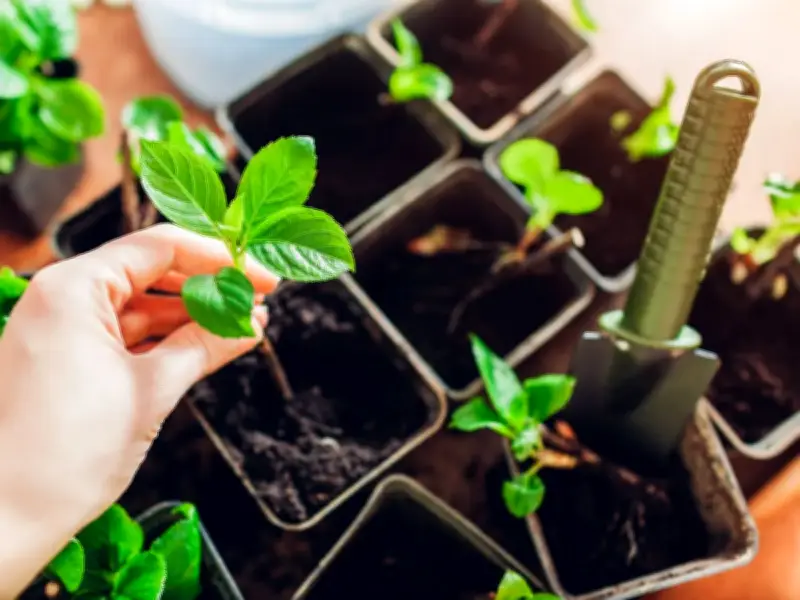
Gardeners should start moving tender plants indoors when temperatures fall below 12°C, according to the Royal Horticultural Society (RHS). The guidance covers choosing suitable conservatory temperatures, checking for pests and reducing watering.
Conservatory temperatures for different plants
For those with tender perennials or marginally hardy shrubs outdoors, a conservatory can provide an ideal sanctuary from now until temperatures rise again. In frost-prone areas, it offers a suitable setting for overwintering plants that need good light and dry conditions.
Tropical plants and exotic crops that flourished outside during summer are best brought indoors throughout autumn and winter to maximise their chances of surviving until spring.
A heated conservatory of around 15-20°C suits plants such as begonias, brugmansia, gardenias, pelargoniums and fuchsias, along with others requiring warmer temperatures. A more cost-effective option is an unheated conservatory at about 10°C, ideal for Hibiscus rosa-sinensis, plectranthus and plumbago, plus bougainvillea, citrus and clivia if watered sparingly.
Hardier plants and pest checks
Temperatures above 5-7°C are sufficient for container-grown climbers such as Jasminum polyanthum, tender salvias, echiums and other tender southern hemisphere plants including cordyline and callistemon. Succulents like agave and echeveria, as well as bulbous varieties such as freesia and nerine, can be kept on windowsills and require dry winter conditions.
The RHS warns that plants can suffer damage even when left outdoors under shelter, so monitoring weather forecasts is worthwhile. To relocate plants safely, lift them gently with a border spade or fork, keeping the root ball undisturbed. After removing excess soil, cut back stems and repot in fresh compost, pruning lightly and removing dead or diseased foliage.
The RHS also advises inspecting plants for soil-dwelling pests, fungal problems, bugs, scale insects and aphids before moving them.
Adjusting watering routines
Plants need considerably less water during colder periods, so monitoring watering closely is recommended. Browning leaf tips or yellowing margins, typically signs of dehydration, can also result from low humidity. Before risking overwatering, try misting foliage frequently or grouping plants together to maintain humidity levels.