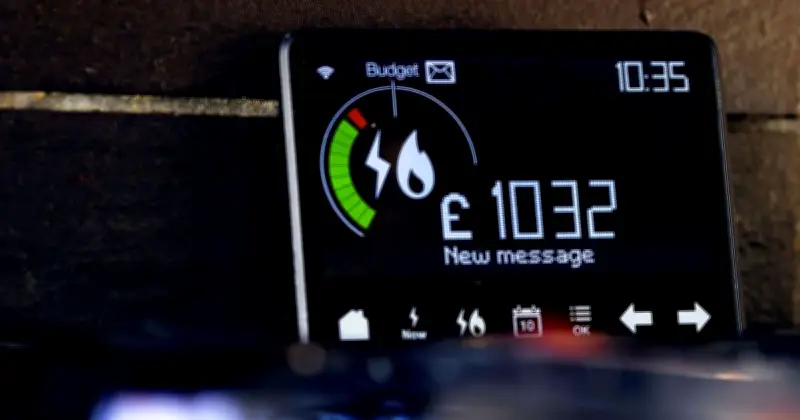
The energy price cap could increase by nearly 10% in January, according to a forecast from consultancy Cornwall Insight, published on Wednesday (August 26). The prediction came as Ofgem announced a 4% rise for the cap covering October 1 to December 31, 2026.
October cap rise confirmed
Ofgem, the energy regulator, says the price cap "protects around 22 million households on default tariffs by limiting the maximum rates and standing charges that energy suppliers can charge". It is updated every three months to reflect changes in the underlying costs of supplying energy.
The current price cap for a typical household paying by direct debit for gas and electricity is £1,663. Based on the energy use of a typical domestic household, from October the cap will rise by £60 per year (or £5 per month) to £1,723 for the average household using both electricity and gas if this level were sustained for a year. Around 35% of households, about 11 million, are on fixed tariffs and will not be affected by this rise.

January forecast and market drivers
The October increase means millions of Britons will face higher costs from midway through the autumn. Cornwall Insight forecasts that the increase from January could be more than double that, at 9%, reaching £1,872.
The firm explained that wholesale energy prices "currently make up over 40% of the cap, and mixed signals over the next stages of the US-Iran conflict have seen gas prices spike over recent weeks". It added: "This combined with a summer heatwave across Europe, supply disruption in Norway and strong demand from Asia have led to low winter gas stock levels – particularly in Continental Europe."
Markets are keen to see the US-Iran conflict resolved, particularly given the catastrophic economic shocks that Tehran's effective closure of the Strait of Hormuz has unleashed. Cornwall warns that even if the war were to end tomorrow, "colder weather, displaced global supply and low stock means January’s prices are likely to stay higher for the short to medium-term".
Consumers urged to compare fixed deals
Cornwall Insight notes that the January figure "will not be confirmed until November, and there remains a lot of time for wholesale market conditions to shift".
Price comparison site Uswitch.com is urging people to check what other options are available and potentially consider fixing their rate to avoid future shocks. Sabrina Hoque, energy expert at the firm, commented on the Cornwall forecast, saying: "Experts confirmed this morning that they expect the price cap to rise a further 9% in January, which would make it a third consecutive hike in standard tariff energy rates."
"Households on a standard variable tariff who don’t make the crucial switch to a fixed tariff risk paying more for their heating this winter." At the time of her comments, Ms Hoque said 17 deals were "undercutting the October price cap by up to £173", meaning there was "plenty of choice for households wanting to pay less and protect themselves from any future increases".
"Several of the most competitive deals, including the market-leading Fuse Energy tariff, are available through Uswitch," she added. "Running a quick energy comparison will show you exactly what's available for your household based on your personal usage and is the best way to find a cheaper rate."