
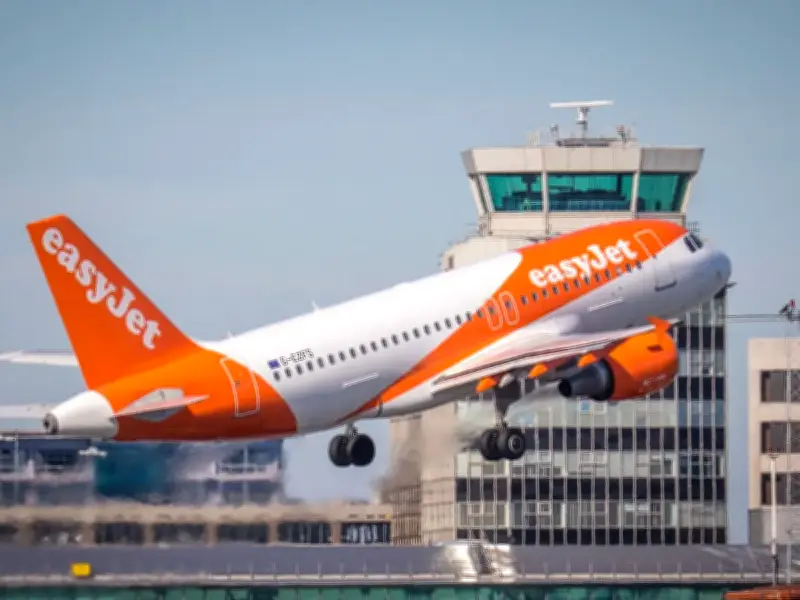
EasyJet has confirmed a “very minor impact” on Liverpool John Lennon Airport after announcing plans to remove a further 600,000 to 700,000 seats from its winter schedule. The airline said less than 0.2% of its winter flying programme from the airport would be affected.
The ECHO previously reported that the latest changes bring the total number of seats being withdrawn to between 1.3 million and 1.4 million, following an earlier reduction of around 700,000 seats.
Fuel costs drive capacity cuts
The cuts come as airlines face mounting pressure from high fuel prices. EasyJet chief executive Kenton Jarvis discussed the reductions in Brussels last week. Speaking to the Financial Times, he said: “People are taking capacity out, we see that across all competitors,” describing the move as “no surprise” given fuel costs.
He added: “I honestly think it's been quite a surprise for the industry that fuel has stayed as high as it is.” Jet fuel prices doubled following the conflict involving Iran and the closure of the Strait of Hormuz. Although prices have started to fall, they remain significantly higher than airlines had expected before hostilities began.
Schedule changes and passenger rights
An easyJet spokesperson said: “Like all airlines, we review our schedule on an ongoing basis and sometimes make some changes. The changes to our winter flying represent a tiny proportion of our flying programme. We make any changes in advance and typically choose multi-daily frequency flights so customers can easily move to an alternative flight.”
EasyJet initially made more than 25 million seats available across nearly 138,000 flights scheduled between October 19 and January 31. Based on an average of around 181 seats per flight, the latest reduction is equivalent to approximately 3,300 to 3,900 one-way flights. The overall winter cuts represent an estimated 7,200 to 7,700 one-way flights.
However, these figures relate to reduced capacity rather than confirmed cancellations. EasyJet has not revealed which routes will be affected, how many of the reductions involve UK flights or how many of the seats being withdrawn had already been booked.
Compensation rules under UK261
Passengers whose flights are cancelled should check when they received notification from the airline, as the notice period can affect their eligibility for compensation. Entitlement will also depend on the reason for the cancellation and the departure and arrival times of any alternative flight offered.
Under UK261 legislation, passengers notified at least 14 days before departure are not entitled to fixed compensation. However, they retain the right to choose a refund or rerouting. Passengers told between seven and fewer than 14 days before departure may be entitled to compensation unless the replacement flight leaves no more than two hours earlier and arrives less than four hours later than originally scheduled.
Those notified fewer than seven days before departure may also qualify, unless the replacement leaves no more than one hour earlier and arrives less than two hours later. Compensation ranges from £220 to £520, depending on the flight distance. The airline may not have to pay if it can demonstrate that the cancellation was caused by extraordinary circumstances.




