Drivers have been urged to do seven key checks now to avoid being caught unprepared for driving in the winter. With autumn now upon us, Brits are preparing for the cooler temperatures and longer nights as we head towards the end of the year.
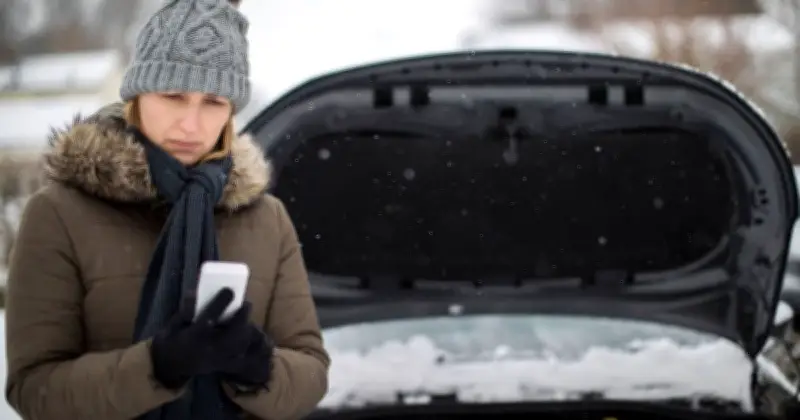
Wintry conditions can bring additional risks for drivers, in the form of icy roads, lower visibility and other hazards. And while some issues you'll face on the road are unavoidable, there are plenty of things you can do to prepare for the worst, and reduce the risks of you being stuck on the roadside for hours while making despairing phone calls.
PA Motoring Reporter Jack Evans flagged a number of considerations worth making now while the weather is temperate. This includes checking your wipers and lights and making sure you have an emergency kit for unforeseen issues.
Check tyres and battery
Your car's tyres are where your checks should begin. They're the main point of contact between the vehicle and the road and, as a result, are crucial both in terms of performance and safety. During winter, a tyre is working overtime, clearing water to provide grip and dealing with lower temperatures.
Look at the sidewalls. Are there any cuts or bulges? If so, you might need to replace them or risk a blowout. You'll also want to make sure that there is at least 1.6mm of tread within each groove and, if not, they'll need to be swapped out for new ones. Failing to do so means that your tyres are below the legal limit and you could risk a fine or penalty points.
If you live in a part of the country susceptible to colder temperatures or snow, it might be a good idea to start investigating winter tyres as these perform far better in the cold than a conventional summer tyre.
During the warmer weather of summer, a car's battery isn't put under much strain. However, when temperatures fall, a battery needs to work harder to get a car going and this is why many fail during the winter.
There are some key indicators that show a battery is on its way out. If your car is struggling to turn over when you switch it on, or if the headlights seem dim, then there's a good chance that your battery is starting to fail. Some cars might also have a battery warning light as a clear indication that you need to fit a new one.
It's best to do this early, too, as one cold snap can quickly leave a battery struggling to start a car. The good news is that it's not a complex job and all garages should be able to sort it for you though, if you're happy to do so, they can often be replaced and fitted at home. Just make sure that you dispose of the old battery properly at a local recycling site.
Check coolant and screenwash
Coolant is often talked about during summertime as it helps a car to maintain a steady temperature when it's hot outside, but it's just as important in winter. Check that your car's coolant levels are correct – do this when the vehicle is cold – and top it up with the correct coolant for your vehicle if it's low.
Never fill a coolant reservoir with just water, as this can freeze when temperatures fall and cause damage to the system. Make sure that you use the right coolant and antifreeze for your exact vehicle, too. You can find this in the vehicle handbook or by searching online.
When there's grit and grime on the roads, being able to clean your car's windscreen is essential. It's why you need to make sure that there's plenty of screenwash in the system. Always make sure you use a proper screenwash, too, as water on its own can freeze and cause damage to the system.
Different screenwashes are rated to work at different temperatures, too, so check the packaging to make sure that it's right for where you live, or where you're driving to.
Check wipers
While you're sorting the screenwash, make sure that your car's wipers are working as they should. Any rubbing sounds or streaking are signs that the rubber is on its way out, while cracking and perishing are sure-fire ways to tell that they need to be swapped.
Remember, too, that if the temperature does fall below zero and your wipers freeze, don't try and use them. If you operate them and they're stuck to the car, you can quickly burn out the motors. Instead, free them from the glass first by using some antifreeze spray or warm – not boiling – water.